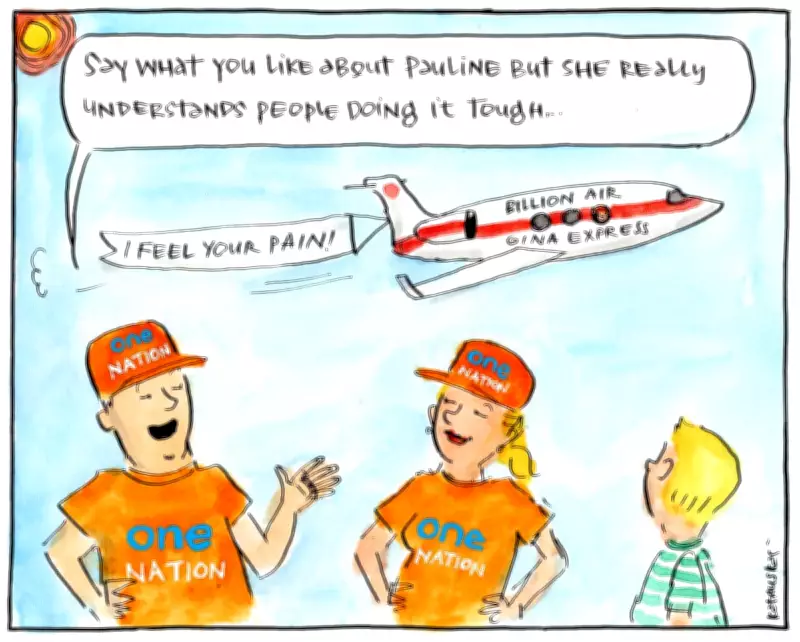
Pauline Hanson, the controversial Australian politician and leader of the One Nation party, is experiencing a significant surge in her vote share, a development that has captured national attention. Recent analysis points to a key factor behind this rise: she has cultivated powerful friends in high places, who are providing strategic support and amplifying her political influence.
The Rise of Pauline Hanson's Political Fortunes
Over the past few years, Hanson's popularity has seen a remarkable uptick, with polls indicating a steady increase in voter support across various regions. This trend is not merely a reflection of shifting public sentiment but is closely tied to her ability to forge alliances with influential figures within Australia's political and business elite. These connections have enabled her to access resources, media platforms, and policy networks that were previously out of reach, thereby boosting her campaign efforts and public visibility.
Strategic Alliances and Their Impact
Hanson's network includes individuals from sectors such as media, finance, and government, who have leveraged their positions to advocate for her policies and enhance her credibility. For instance, some high-profile supporters have used their platforms to promote her anti-immigration and nationalist agenda, resonating with a segment of the electorate disillusioned with mainstream politics. This backing has translated into tangible electoral gains, with One Nation securing more seats and influence in recent elections.

Moreover, these alliances have facilitated fundraising and organizational support, allowing Hanson's party to run more effective campaigns. By aligning with powerful interests, she has managed to overcome some of the traditional barriers faced by minor parties, such as limited funding and media coverage. This has not only solidified her base but also attracted new voters who see her as a viable alternative to established political forces.
Implications for Australian Politics
The growing support for Pauline Hanson, fueled by her high-place friends, is reshaping the political landscape in Australia. It signals a shift towards more populist and nationalist movements, challenging the dominance of major parties like the Liberal and Labor parties. This trend could lead to increased polarization and policy debates centered on issues such as immigration, economic protectionism, and national identity.
As Hanson's vote continues to soar, analysts warn that her influence may extend beyond electoral politics, affecting legislative agendas and public discourse. The strategic backing she receives underscores the importance of political networks in modern democracies, where connections can be as crucial as public appeal in determining success.
In summary, Pauline Hanson's rising vote is not an isolated phenomenon but a result of deliberate efforts to build alliances with powerful figures. This dynamic highlights the complex interplay between personal connections and political momentum, offering insights into the evolving nature of Australian politics and the factors driving voter behavior in an era of increasing discontent with traditional institutions.