New Zealand Prime Minister Christopher Luxon Faces Intense Media Interrogation
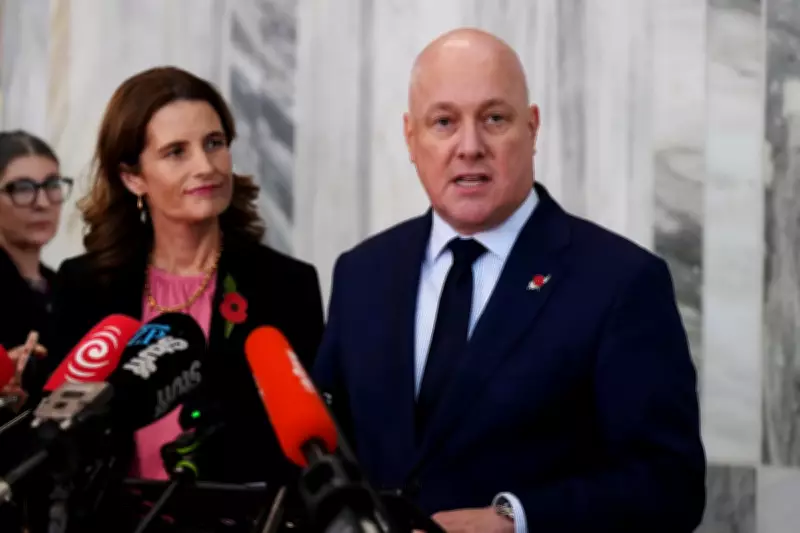
Prime Minister Christopher Luxon of New Zealand has recently been subjected to rigorous media questioning, highlighting growing scrutiny over his administration's policy direction and governance approach. Journalists have pressed Luxon on a range of issues, from economic strategies to social policies, reflecting public interest and concern about the government's performance since he took office.
Key Areas of Media Focus
The media inquiries have centered on several critical aspects of Luxon's leadership. Economic management has been a primary topic, with reporters probing his plans for inflation control, job creation, and fiscal responsibility. Additionally, questions have arisen about social welfare reforms and environmental commitments, areas where Luxon's government has faced criticism from opposition parties and advocacy groups.
Luxon's responses have emphasized his administration's focus on stability and growth, but media outlets have noted inconsistencies and evasiveness in some answers, fueling further debate. This scrutiny comes amid a backdrop of political polarization in New Zealand, with Luxon's center-right coalition navigating complex legislative challenges.

Impact on Public Perception and Political Landscape
The persistent media questioning is shaping public perception of Luxon's leadership, with polls indicating fluctuating support levels. Analysts suggest that how Luxon handles these interactions could influence his government's credibility and electoral prospects. The situation underscores the role of the press in holding leaders accountable in a democratic society.
Comparisons have been drawn to previous New Zealand prime ministers, with some commentators arguing that Luxon's media encounters reflect a broader trend of increased transparency demands in politics. The prime minister's team has defended his engagement, stating it demonstrates a commitment to open dialogue.
As the media scrutiny continues, observers predict it will drive policy adjustments and communication strategies within Luxon's administration. The outcome may set precedents for future political discourse in New Zealand, emphasizing the importance of clear and consistent messaging from government officials.