North Carolina Kicks Off Crucial Midterm Primary Season
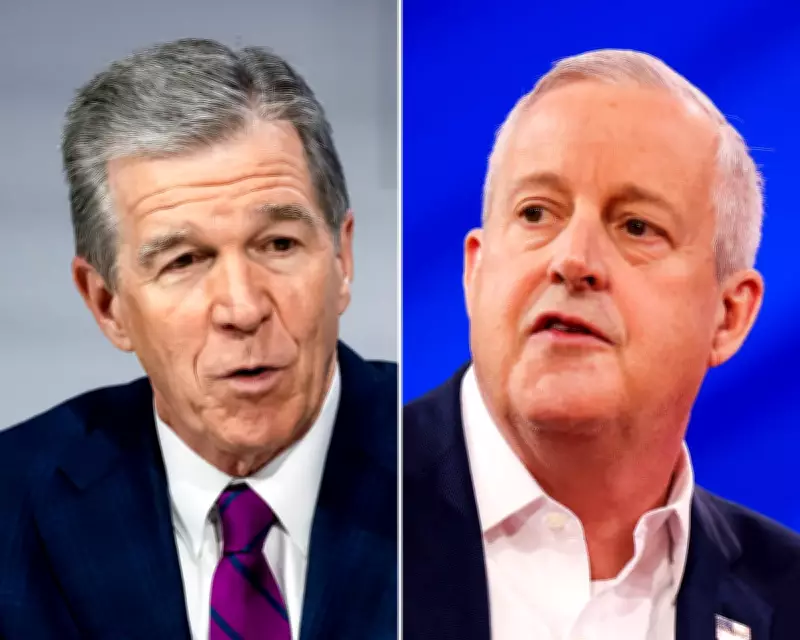
North Carolina voters head to the polls on Tuesday for some of the first major midterm primaries, setting the stage for pivotal Senate and House races that could determine control of Congress. The marquee matchup for the open US Senate seat features prominent candidates from both parties, with former Democratic Governor Roy Cooper and Republican National Committee veteran Michael Whatley leading their respective primary fields according to recent polling.
Senate Race Takes Center Stage
In the Democratic primary, former two-term governor Roy Cooper maintains a substantial lead over other candidates who have never held elected office. North Carolina Democrats widely view Cooper as their strongest contender to flip the Republican-controlled seat currently held by retiring Senator Thom Tillis, a conservative who has frequently broken with the Trump administration on key issues including healthcare, defense, and Epstein file disclosures.
On the Republican side, Michael Whatley, the former Republican National Committee chair, leads the field in polling, though his closest competitor, Representative Don Brown, trails in single digits. Whatley carries the endorsement of former President Donald Trump, but this hasn't silenced criticism from conservative circles.

"The president made a horrible mistake forcing Whatley on us," said Brant Clifton, publisher of the conservative Daily Haymaker news site in North Carolina. Clifton noted that Whatley's close association with Tillis has become problematic among voters who have grown dissatisfied with the retiring senator.
Polling Reveals Voter Sentiment
Recent polling shows Cooper with a 10-point lead in a hypothetical head-to-head matchup against Whatley, reflecting both Cooper's long-standing relationship with North Carolina voters and growing dissatisfaction with national leadership. A Change Research poll from last month indicates that 50% of voters strongly disapprove of Trump's job performance as president, while approximately 60% believe their income is falling behind the cost of living.
Notably, about three-quarters of respondents reported feeling stressed about inflation and rising costs. Polling in both primaries has been relatively limited, potentially masking softness in conservative support for Whatley, with approximately half of Republican voters remaining undecided heading into Tuesday's election.
House Races and Redistricting Impact
North Carolina's congressional landscape has been significantly reshaped by mid-decade redistricting, which widened partisan advantages in several House seats to reduce the likelihood of Democratic gains. Incumbent Democratic Representative Don Davis, first elected in 2022, now represents a district that legislators redrew in 2025 to include significantly more Republican voters.
Analysts believe the district now leans Republican based on historical voting patterns, with five Republican candidates competing in Tuesday's primary. Meanwhile, North Carolina's fourth district in the Research Triangle area remains overwhelmingly Democratic, meaning the primary will likely determine the November winner.
That contest has become a nationalized battle between incumbent Valerie Foushee and Durham County Commissioner Nida Allam, who has positioned herself as the more progressive choice. Outside groups have poured more than $4 million into the race, making it one of the most expensive primaries this year.
Local Race Draws National Attention
While federal races dominate headlines, the most consequential contest for North Carolina voters may be a state senate election in Rockingham County, where Senate President Phil Berger faces an insurgent challenge from longtime County Sheriff Sam Page. Turnout is approaching presidential election rates in this typically sleepy midterm primary.
Trump has endorsed Berger and, according to multiple sources, attempted to persuade Page to drop his challenge by offering a federal appointment. Berger, widely viewed as North Carolina's most powerful Republican politician, finds his influence working against him in this intensely local race.

"They're estimating that, when all is said and done, $10 million would have been spent on the senate president's behalf for a job that pays $17,000 a year," Clifton observed, highlighting the extraordinary resources being deployed in this down-ballot contest.
Primary Rules and Runoff Possibilities
North Carolina employs unusual primary runoff rules that could extend the nomination process. If the top candidate fails to receive 30% of the vote, the second-place finisher can request a runoff, adding another layer of uncertainty to these already competitive races.
With control of both the US Senate and House of Representatives potentially hinging on a few districts and contests, North Carolina's primaries have drawn intense national political attention. The outcomes will shape the battlefield for November's general election and could significantly influence the balance of power in Washington.