Muslim Voters in Newcastle Abandon Labour for Greens Ahead of Local Elections
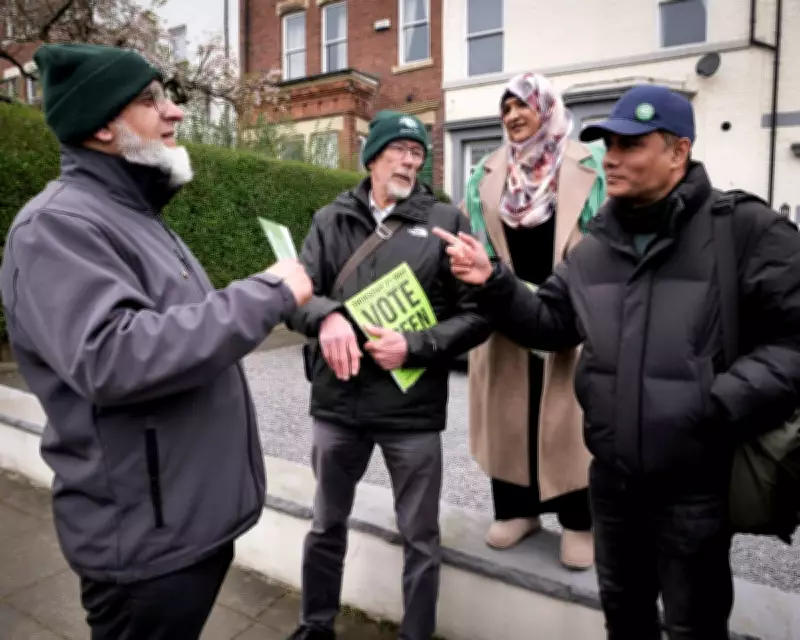
In the Walker area of Newcastle, Green party candidate Mohammed Suleman is canvassing with supporters, a scene captured in a photograph by Mark Pinder for The Guardian. This image symbolizes a broader shift as Muslim voters turn from Labour to the Greens, not solely due to Gaza but also over concerns about the far right, climate change, and the cost of living.
Disillusionment with Labour Deepens Among Muslim Communities
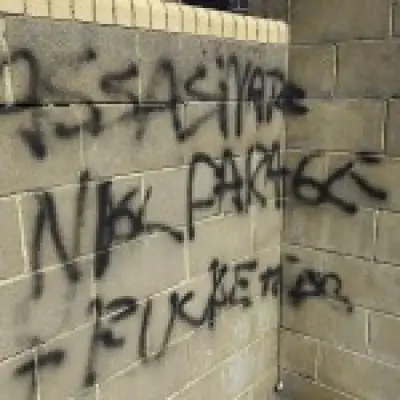
Mohammed Suleman, a self-described straight-talking Geordie taxi driver and businessman, initially voted Labour as the lesser of two evils. However, the war in Gaza, which a UN committee later described as a genocide, prompted him and others at his local mosque to petition their Labour MP, Chi Onwurah, for a ceasefire vote. When Onwurah abstained, Suleman felt betrayed, stating, That's when I blew my top. This moment was part of a longer process of disillusionment, with voters citing graffitied shopfronts, diminishing services, and Labour's tepid response to far-right rise as evidence of neglect.
National Trend of Muslim Voter Shift from Labour to Greens
This shift is not unique to Newcastle. From Gorton and Denton, where the Greens secured their first byelection victory, to contests in Birmingham, Leicester, and east London, Labour is haemorrhaging Muslim support. Health secretary Wes Streeting has expressed alarm, noting even safe council wards are at risk. Polling by More in Common UK shows Muslim voters prioritize bread-and-butter issues like cost of living, crime, and local services, with Gaza acting as a catalyst similar to Brexit's impact on Labour's red wall base.

Green Party Gains Ground with Diverse Candidates and Climate Focus
Suleman joined the Greens to fight the far right, inspired by local figures like Khaled Musharraf, a Green councillor elected in 2024. Musharraf, who migrated from Bangladesh, highlights that many Muslims are from countries on the frontlines of climate change, with mosques increasingly running sermons on the crisis. The Green party's national spokesperson, Sharmen Rahman, points to surveys showing rising Muslim dissatisfaction with Labour, from 46.8% in 2020 to 63% in 2022.
Challenges and Racism in the Political Landscape
As Green support grows, so does suspicion, such as unfounded allegations of family voting in Gorton and Denton, which police found no evidence for. Halimah Begum, a Green candidate who left Labour after Keir Starmer's comments on immigration, argues racism has become legitimized post-2024 riots. She and others face difficult conversations on doorsteps, where issues like potholes, graffiti, Gaza, and far-right fears dominate.
Contrasting Campaigns in Newcastle's East and West Ends
In Newcastle's diverse West End, Green canvassers find support in areas with strong community institutions like mosques and cafes. In the historically white, working-class East End, such as Walker, social fabric has eroded, with residents feeling abandoned. Green candidate Matt Williams notes voters are split between Green and Reform UK, all bemoaning Labour. Reform volunteers distribute leaflets quickly, while Greens engage in deeper conversations, reflecting differing campaign styles.
Broader Implications for Upcoming Local Elections
The upcoming local elections will test whether this shift is a protest vote or a permanent realignment. For voters like Suleman and Begum, the Greens offer a platform addressing both local neglect and global issues, challenging Labour's traditional base. As communities grapple with racism and economic strain, the political landscape in Newcastle and beyond is evolving, with the Green party capitalizing on this momentum.