UK Muslim Charities Struggle with Banking Restrictions During Ramadan Giving Surge
As Ramadan approaches, British Muslims are preparing to donate hundreds of millions of pounds through mosques, WhatsApp fundraisers, and televised appeals. However, charities fear that banking restrictions, often termed "debanking," will prevent much of this critical aid from reaching crisis zones already affected by government aid cuts.
De-Risking Policies Disproportionately Impact Muslim-Led Organizations
According to a 2025 report by the Muslim Charities Forum (MCF), over two-thirds of Muslim charities in the UK face difficulties opening bank accounts, and 42% have had their banking services completely withdrawn. This compares starkly to just 12% of charities generally. The issues stem from "de-risking" policies, where banks avoid perceived risks related to money laundering or terrorism financing, often targeting countries in conflict or disaster.
Fadi Itani, chief executive of MCF, highlighted the humanitarian crisis in Sudan as a prime example. "These obstacles disrupt essential charitable operations and undermine the delivery of life-saving humanitarian assistance," he said. Banks are increasingly reluctant to serve charities operating in high-risk jurisdictions, leaving many organizations effectively excluded from the financial system.

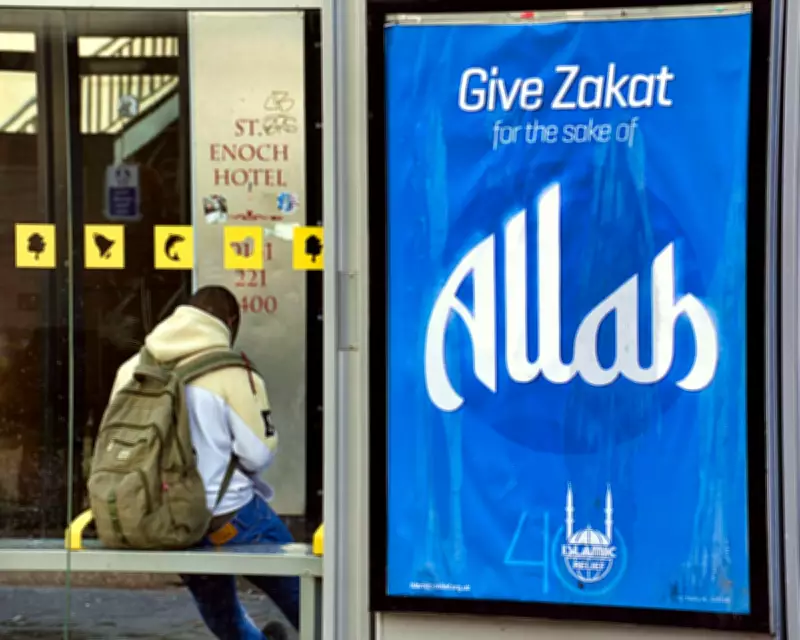
Ramadan Giving and Zakat Payments Under Threat
Muslims in Britain donate four times more than the average adult, with much of this generosity concentrated during Ramadan. Many use this holy month to fulfill their annual zakat obligation, a mandatory contribution of 2.5% of surplus wealth directed toward supporting the poor. While some zakat funds aid poverty in the UK, a significant portion is intended for destitute populations in crisis zones like Palestine, Syria, and Pakistan.
However, banking delays and account closures have hampered these efforts. One charity reported that using "Syrian refugees" as a transaction reference led to frozen payments for an aid project supporting Syrian children receiving cancer treatment in Turkey. In other cases, organizations faced service denials based on unverified articles linking them to terrorism, particularly post-9/11.
Charities Forced to Navigate Bureaucratic Hurdles
Dr. Samantha May, a senior lecturer at the University of Aberdeen, noted that many Muslim-led charities avoid applying for special licenses to work in sanctioned states like Afghanistan, fearing it could trigger banking issues. "They would expect the licence not to be granted or that just applying could raise 'red flags'," she explained. These policies, while not explicitly targeting Muslim charities, disproportionately affect those operating in fragile states.
The administrator of an east London mosque, who wished to remain anonymous, stated they carefully select only four charities to support during Ramadan to monitor fund usage directly. They added that partners have encountered extra scrutiny, complicating aid delivery.
Calls for Legislative Changes and Regulatory Action
Razib Hasan, finance director at Muslim Aid, proposed adopting legislation similar to that in France and Belgium, where having a bank account is a legal right. Itani echoed this, arguing that such measures would allow charities to focus more on humanitarian work rather than administrative battles.
A spokesperson for the Financial Conduct Authority (FCA) acknowledged the problems, stating, "We know that some charities face real difficulties opening and keeping bank accounts." The FCA has issued guidelines urging banks to apply proportionate risk assessments rather than generic approaches to all charities.
With aid cuts potentially causing millions of avoidable deaths by 2030, the debanking crisis threatens to exacerbate global humanitarian challenges, underscoring the urgent need for systemic reforms in the UK banking sector.