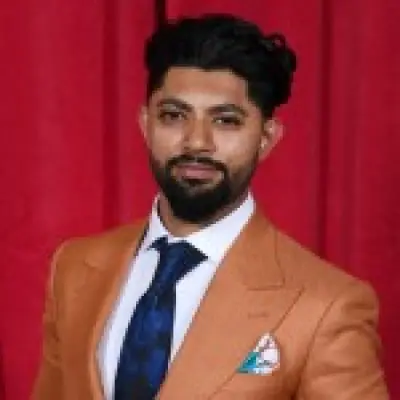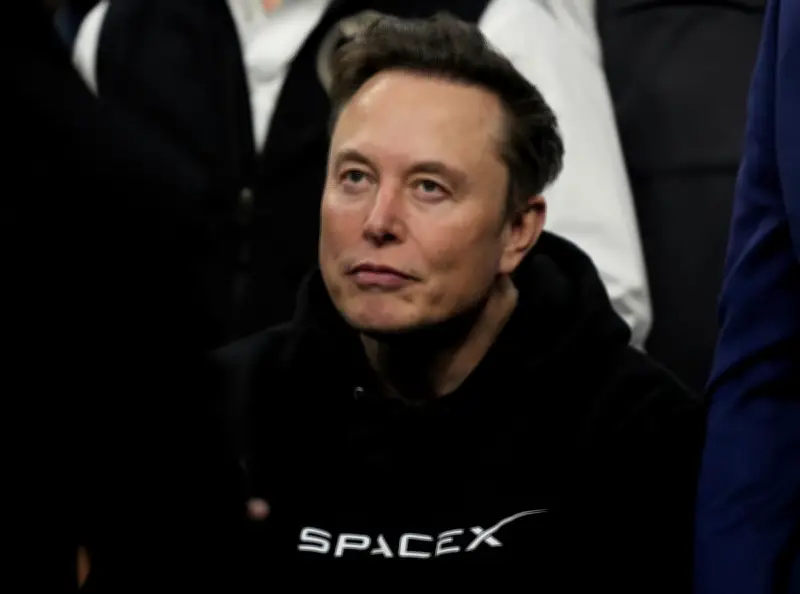
For 12 days in June, Elon Musk achieved trillionaire status, a first in human history, before a tech sell-off dropped his net worth back to billionaire levels. The brief milestone has ignited a fierce debate about wealth, merit, and the state of American capitalism.
Conservative praise for Musk's wealth
Conservative media and politicians have largely celebrated Musk's wealth as earned and deserved. A Fox News op-ed stated that "he earned every penny," while the Wall Street Journal argued his companies "created tremendous value." Republican Senator Cynthia Lummis told TMZ that "it's absolutely logical that Elon Musk is the first trillionaire," attributing his success to hard work and intelligence.
The National Review dismissed critics as part of "an impotent envy cult," calling Musk one of history's "great men." Los Angeles Times columnist Jonah Goldberg claimed Musk's trillionaire status "is a good thing, actually," because innovation grows the economic pie for everyone.

Critiques of Musk's path to wealth
Critics argue that Musk's fortune stems from factors beyond merit. Born into wealth in apartheid-era South Africa, Musk benefited from privilege. In 2024, the Washington Post reported that Musk worked illegally in the US after dropping out of Stanford in 1995, a fact his brother Kimbal joked about, calling them "illegal immigrants."
Musk's political investments also played a role: his $290 million contribution to the 2024 election helped secure ties with Donald Trump, leading to tax cuts, regulatory easing, and billion-dollar government contracts for his companies.
Stock market manipulation concerns
SpaceX reportedly lobbied to be included in major stock indices shortly after going public, earlier than typical, compelling index funds to buy shares and boosting its price. The New York Times noted this could expose index fund investors to more risk. Nasdaq denied changing rules for SpaceX, but the move linked retirement funds to Musk's success.
Oligarchy and inequality
Oxfam reports that billionaires own more than half the world's largest media companies, shaping narratives around wealth. Critics warn that Musk's trillionaire status signals a shift toward oligarchy, where resources are funneled to a few rather than invested in society. As one commentator put it, "the world's first trillionaire is a death knell for capitalism."