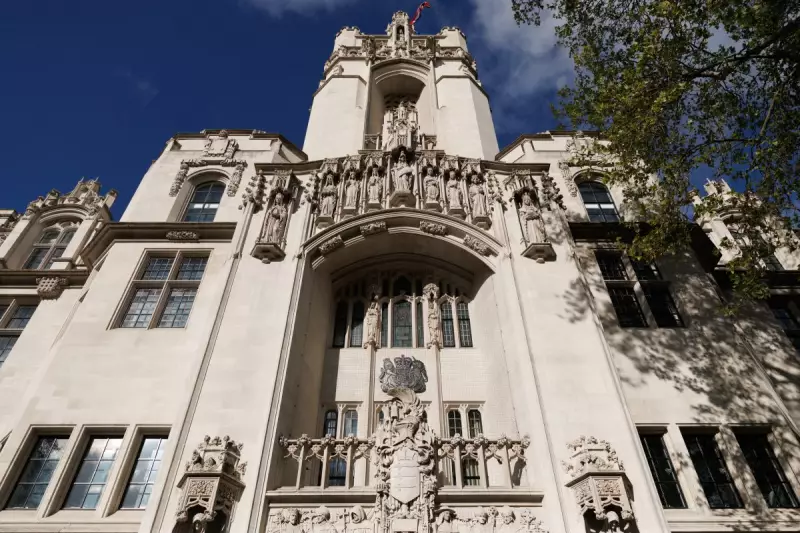
Access to justice is a fundamental pillar of the British legal system, but there are growing concerns that the mechanisms designed to enable it are being distorted. Oliver Ryan, the Labour MP for Burnley, has issued a stark warning that parts of the third-party litigation funding industry are prioritising financial returns over fair outcomes for victims.
When the System Fails Victims: The Post Office and SSB Cases
Ryan points to high-profile failures as evidence that the current model is unbalanced. He highlights the Post Office Horizon scandal as a particularly shameful example. While sub-postmasters finally received compensation after being grievously wronged, approximately 80% of the damages, around £46 million, was diverted to litigation funders and lawyers instead of the victims themselves.
This, Ryan asserts, is a clear sign a system is not working correctly. Furthermore, he cites a case from his own constituency involving the collapse of law firm SSB, which was pursuing cavity wall insulation claims. The firm collapsed with debts exceeding £200 million, including £128 million owed to litigation funders. This left ordinary claimants with no safety net, their cases stalled and their futures uncertain.

Governance Risks and Speculative Claims
The problems are not confined to cases that have concluded. Ryan notes serious governance questions at the top of the market. In August, it was reported that Pogust Goodhead, the firm behind a £36 billion class action against BHP, abruptly dismissed its CEO following tensions with its funder, Gramercy. Similar disputes in the Merricks v Mastercard case suggest that large-scale justice can be destabilised by conflicts between financial backers.
Meanwhile, there is a rise in what Ryan describes as speculative claims. He points to a potential data breach claim against Marks & Spencer, driven by KP Law and backed by funder Asertis. This is despite an apparent lack of evidence that meaningful customer data was taken. The associated advertising campaign by 'Join the Claim', a firm previously accused of misleading advertising, exemplifies a shift towards a volume-driven acquisition model rather than the pursuit of genuine redress.
A Call for Balance: Capping Returns and Ensuring Transparency
Oliver Ryan is not arguing for the abolition of third-party litigation funding. He acknowledges its vital role in providing access to the courts for those who would otherwise be shut out. However, he insists that protecting access to justice must also mean protecting balance, transparency, and fairness.
His proposed solutions include:
- Capping excessive returns for funders to ensure victims are the primary beneficiaries.
- Enforcing capital adequacy rules to prevent claimants being stranded when firms collapse.
- Tightening oversight of how claims are marketed to the public.
"Justice should not be a financial product," Ryan concludes. He urges the Labour party to recognise that an unbalanced market serves neither justice nor economic growth. The ultimate goal must be a system that supports victims and upholds public confidence, with clear limits to prevent profits from being placed before people.