NSW Premier Stands Firm on Anti-Protest Legislation After Court Overturns It
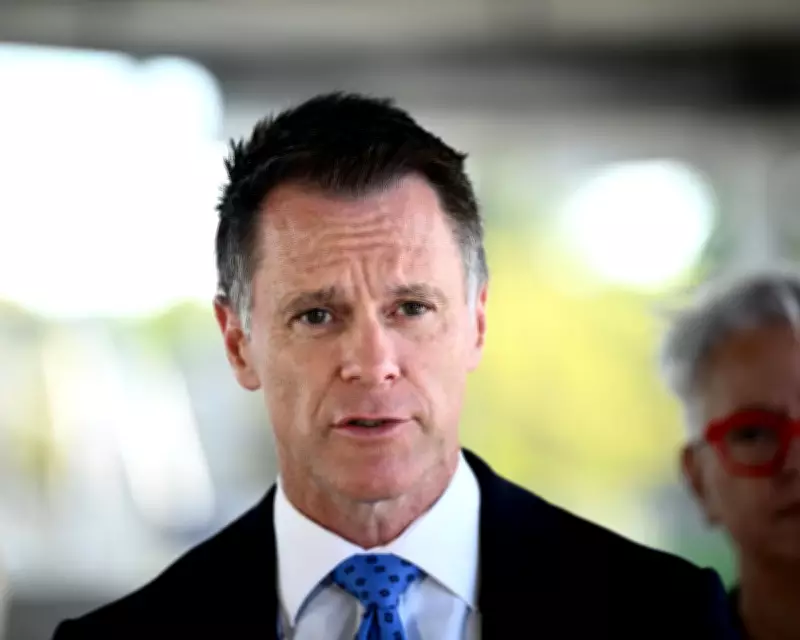
New South Wales Premier Chris Minns has publicly reaffirmed his support for anti-protest laws that were recently invalidated by the state's highest court, describing the legislation as "rational and proportionate." This stance comes despite a landmark ruling from the New South Wales Court of Appeal, which declared the laws unconstitutional, sparking significant criticism from legal experts and advocacy groups.
Court Ruling Deems Law Unconstitutional
On Thursday, the New South Wales Court of Appeal delivered a decisive judgment in favor of the Palestine Action Group and Blak Caucus, striking down anti-protest legislation that granted police enhanced powers to restrict public marches. This law was initially enacted in response to the Bondi beach terror attack last year, a tragic event that resulted in the loss of 15 lives. The full bench of the court concluded that using social cohesion as a justification to limit all protests does not constitute a "constitutionally legitimate purpose." Legal analysts have highlighted that this ruling could set a precedent, potentially curbing future governmental efforts to regulate speech and protests based on similar grounds.
Minns Criticizes Greens and Defends Government Actions
In his first public remarks since the court's decision, Premier Minns stated that his government is currently "studying the judgment." When questioned about the court's finding that social cohesion was an insufficient basis for the law, Minns directed criticism toward the Greens party for supporting protesters charged during an anti-Herzog demonstration at Sydney's town hall in February, while the law was still in effect. This rally is now under investigation by a police watchdog for alleged misconduct and brutality. Minns asserted that there had been "violent confrontations" and "hateful rhetoric" in Sydney over the preceding two years, arguing that the government's legislative changes were a measured response to the Bondi attack. He did not address follow-up inquiries regarding his acceptance of the court's findings or specify the incidents of violence he referenced.

Legal and Political Backlash Intensifies
The Greens justice spokesperson, Sue Higginson, condemned Minns' comments as an "extraordinary attack on our independent judiciary," urging the premier to acknowledge the error and halt prosecutions against protesters. Majed Kheir, representing several of the 26 individuals charged in connection with the anti-Herzog protest, emphasized that the court "vehemently disagreed" with Minns' characterization of the laws as reasonable. Kheir stressed the importance of the separation of powers, noting that the judiciary's role is to assess the constitutionality of such measures. Meanwhile, NSW Police Commissioner Mal Lanyon announced that charges against the protesters are under review, with potential implications for ongoing legal proceedings. The defunct law, known as the public assembly restriction declaration (PARD), had allowed police to designate protest-free zones for up to three months post-terror attack, effectively criminalizing unauthorized marches. Minns has contended that charges may still apply under a major events declaration, though critics argue this does not justify the initial use of unconstitutional powers.
Implications for Protest Rights and Government Accountability
This controversy underscores broader debates over protest rights and governmental authority in New South Wales. Advocates warn that Minns' refusal to accept the court's ruling could undermine judicial independence and erode public trust. As the police review charges and legal challenges continue, the outcome may influence future policy-making and protest regulations across Australia. The premier's office has not provided further clarification on the alleged violent incidents, pointing instead to past statements criticizing specific protest symbols and rhetoric. With tensions high, the situation highlights the delicate balance between security concerns and constitutional freedoms in a democratic society.