State and local leaders in Minnesota have voiced profound alarm over the federal government's handling of the investigation into the fatal shooting of a US citizen by an Immigration and Customs Enforcement (ICE) agent, warning that the process appears compromised from the outset.
A Sudden Shift in Investigative Control
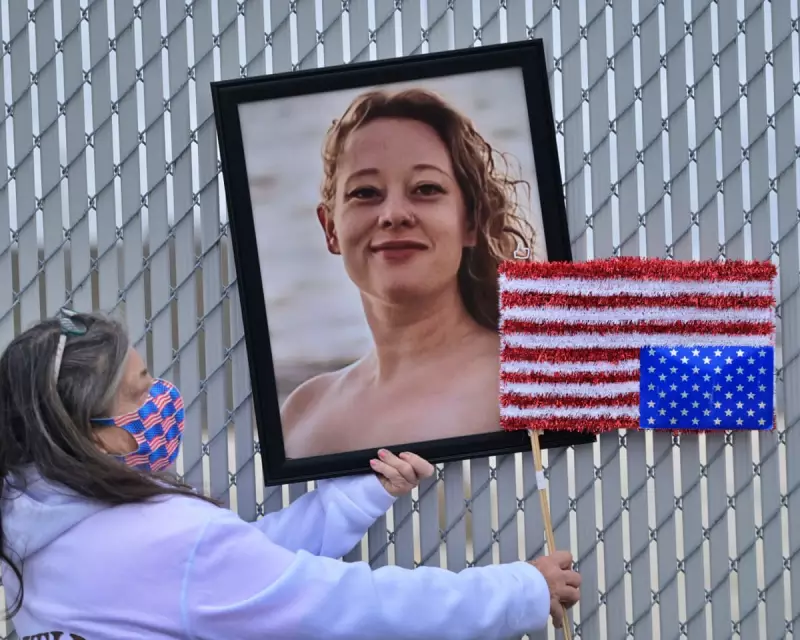
The controversy centres on the death of Renee Nicole Good, a 37-year-old mother of three, who was shot by an ICE agent in Minneapolis. Initially, Minnesota's Bureau of Criminal Apprehension (BCA) worked alongside the Federal Bureau of Investigation (FBI). However, on Thursday, 9 January, the BCA announced the US Attorney's Office had reversed course. The investigation would now be led solely by the FBI, with the BCA denied access to critical case materials, scene evidence, and investigative interviews.
Hennepin County Attorney Mary Moriarty, the county's elected prosecutor, emphasised the problem at a press conference on Friday. She stated that while an investigation is still possible, the BCA's high standards—established after the George Floyd case—cannot be met without full access to evidence. "When the BCA came to the scene, the evidence had been taken by the FBI," Moriarty explained. "They collected the car... the BCA does not have access to the car, or right now, even access to the forensic evaluation."

Political Statements and Questions of Bias
The situation has been exacerbated by swift political pronouncements. Within hours of the shooting, Homeland Security Secretary Kristi Noem declared the shooting justified, labelling Good's actions "domestic terrorism" and asserting state prosecutors lack jurisdiction. Former President Donald Trump described Good, without evidence, as a "high-level agitator" and "professional troublemaker."
Minneapolis Mayor Jacob Frey condemned the federal narrative as "garbage" and called for a state-led inquiry. "The fact that... this presidential administration has already come to a conclusion about those facts is deeply concerning," Frey said, adding the prospects for a fair federal investigation look "pretty grim."
Legal Complexities and Public Appeal
Legal experts note the unusual breakdown in cooperation. Defence attorney Eric J. Nelson, who represented Derek Chauvin, called the situation "shocking" and contrary to public expectations. He clarified that an FBI takeover does not legally preclude a parallel state investigation, but it is severely hampered if key evidence like the firearm is withheld.
In response, Moriarty and Minnesota Attorney General Keith Ellison have made a public appeal for any evidence, including potential video, to be sent directly to state investigators. "We think that there may be other evidence out there," Moriarty said. "It is critical to preserve evidence."
The agent involved has been identified in media reports as Jonathan Ross. ICE agents permitted Ross to leave the scene after the shooting, taking the weapon with him. As state leaders push for transparency, the case has become a flashpoint for concerns over federal overreach and the integrity of investigations into law enforcement use of force.