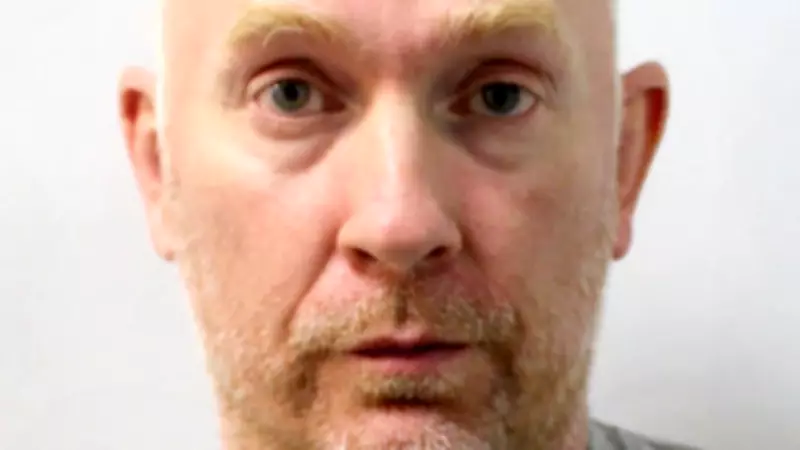
Exclusive: Ministers Struggle to Strip Wayne Couzens of Pension, Legislation Under Consideration
Ministers have been unable to strip Wayne Couzens, the former police officer who raped and murdered Sarah Everard, of part of his public sector pension, and are now considering introducing legislation if required, according to an exclusive Sky News report. This revelation highlights ongoing legal complexities in denying pension benefits to individuals convicted of heinous crimes.
Background of the Case and Pension Details
In March 2021, during the COVID-19 pandemic, Couzens, then a serving Metropolitan Police officer, used his police warrant to lure Sarah Everard into a fake arrest while she was walking home from a friend's house in south London. He subsequently raped and murdered her, leading to widespread public outrage and scrutiny of police conduct.
In 2023, London's mayor Sadiq Khan successfully applied to the home secretary to forfeit any pension payments Couzens could have earned during his service at the Met. However, this amount is understood to be negligible due to his short tenure there. Khan, who also serves as the city's police and crime commissioner, believed Couzens had "approximately seven years' pension service" with the Civil Nuclear Constabulary (CNC) between 2011 and 2018, as detailed in a letter shared with Sky News.

Challenges with the Civil Nuclear Constabulary Pension
The CNC is a special force responsible for guarding nuclear facilities and falls under the ultimate responsibility of the energy secretary, unlike other police forces that report to the home secretary. In a 2023 letter to then-energy secretary Grant Shapps, Khan noted that the CNC portion of Couzens' pension "sits outside the normal police pension regulations," complicating efforts to strip it.
Freedom of information data obtained by Sky News shows no pension forfeitures from the CNC between 2020 and September 2025, and it is understood this remains the case. A Department for Energy Security and Net Zero spokesperson stated they are "absolutely determined that Wayne Couzens does not receive a Civil Nuclear Constabulary pension." However, Sky News understands an ongoing and complex legal process may necessitate legislation to resolve the issue.
Public and Expert Reactions
Sadiq Khan emphasized the public's sentiment, telling Sky News, "After committing such heinous crimes, Wayne Couzens should not receive a penny in taxpayer-funded pension. Londoners would be furious if he did. Every possible step should be taken to ensure that Wayne Couzens does not receive his Civil Nuclear Constabulary pension."
Bethan Shellard-Dedman, a lecturer in policing practice, explained the mechanics of pension forfeiture: "It is possible for a pension forfeiture to give an individual back the money that they have contributed, while the state retains any money paid in by the police service, funded by the taxpayer. When in prison, Wayne Couzens' pension would be suspended, but on his death his family could be entitled to up to 50% of his pension."
Legal Requirements and Implications
The requirements for an officer to have their pension forfeited include committing an offence against the Official Secrets Act or being convicted of an offence that is either "gravely injurious to the interests of the state," in connection with their "service as a member of a police force," or "liable to lead to a serious loss of confidence in the public service." Shellard-Dedman added, "If the forfeiture is successful, the individual officer has their contribution returned. The police force would then retain what they contributed. The amounts of which can vary."
Couzens has been convicted of crimes committed in 2021 against Sarah Everard, as well as indecent exposure offences in February 2021 and 2020, all during his service at the Metropolitan Police. The CNC stated that when Couzens was convicted, it recommended to the employing force that he lose his pension benefits, but it lacks decision-making powers in this matter.
This case underscores broader issues in public sector pension management and the challenges in ensuring accountability for severe criminal acts, with potential legislative changes on the horizon to address such gaps.