Following decades of decline, the Midwest is experiencing a population resurgence as Americans move from other parts of the US, drawn by lower costs and a more temperate climate. The US Census Bureau reported that the Midwest was the only region where all states gained population from July 2024 to July 2025. A Bank of America Institute report from last month found that Midwestern metros made up the majority of the fastest-growing metropolitan areas over the last two quarters.
Why People Are Moving to the Midwest
Lower cost of living is a primary driver. Taryn Sigman, a Washington state native who moved to Greene County, Ohio, says, “Inexpensive land, animal feed and vet care was half of what it was in Washington, plus the everyday costs like gas and groceries made this area an obvious choice.” She purchased an 11-acre farm with barns for under $350,000, a property she says she could never have afforded in Washington. Nearly two million people have left California in recent years, with more than 8,000 moving to Ohio in 2024 alone.
Political Implications of the Influx
Many of the fastest-growing counties in Indiana, Iowa, Kansas, and Ohio are smaller, predominantly Republican counties. In Ohio, Greene, Jefferson, and Washington counties—all won handily by Donald Trump in the 2024 election—saw the biggest population gains from 2020 to 2024. More than 1,270 people moved to Greene County in 2024 from other US states, reversing a trend of population loss during the 2010s.

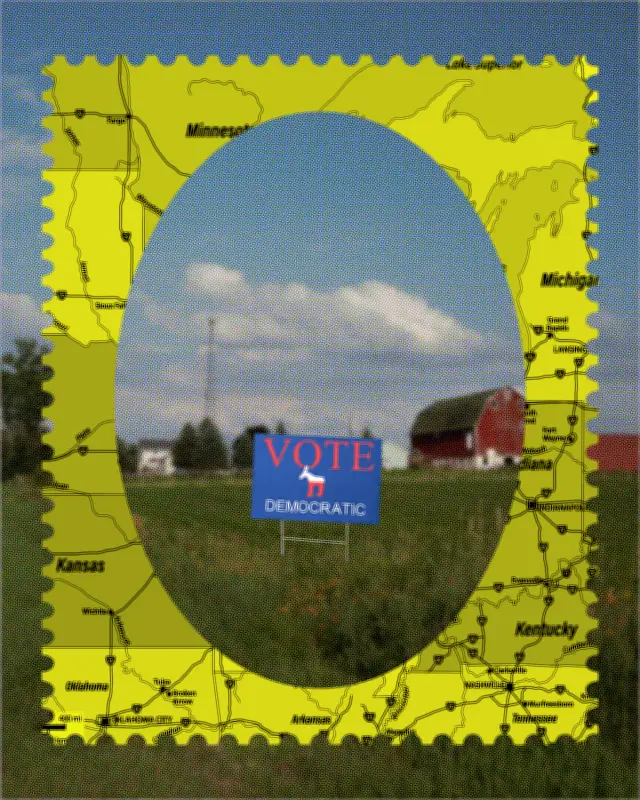
Kim McCarthy, chair of the Greene County Democratic party, says the influx is boosting local Democratic activism. “We had a 112% turnout in the May primary – we added nearly 2,000 Democrats to the rolls in Greene county.” She notes that migrants from Wright-Patterson Air Force Base tend to be more progressive, contributing to a 230% turnout in the May Democratic primary in that precinct.
Will It Change Politics?
Not everyone believes immediate political change is at hand. Kyle Kondik, managing editor of Sabato’s Crystal Ball at the University of Virginia’s Center for Politics, says, “20,000 people moving to Ohio from blue states, that’s really just a drop in the bucket in a state that will cast something like 4-4.5 million votes in a midterm.” He acknowledges some areas like Traverse City in Michigan and Door County in Wisconsin are “getting bluer or less red in part because of migration,” but adds that Kamala Harris running ahead of Joe Biden in those places wasn’t enough to offset erosion elsewhere from 2020 to 2024.
Long-Term Trends
Despite Trump winning all seven battleground states in 2024, Harris won a larger percentage of votes than Biden in 2020 in many fast-growing rural Midwestern counties, including Delaware County, Ohio. Trump’s approval rating in rural US has fallen 10% to 50% since the start of his second term. McCarthy says, “The amount of financial pressure is finally making people understand that the policies that occur impact their lives.”
Sigman, who lives near Yellow Springs—a liberal enclave where 8% of residents moved from another state in 2024, four times the national rate—says climate change has made farming more affordable in Ohio than out west. “I love Ohio. Besides the politics, I should say. The people are friendly, there are so many things to do, and although I miss the mountains and the sea, Ohio has a feeling of home that I don’t remember feeling in Washington.”