Metropolitan Police Under Fire for Far-Right Protest Management
The Metropolitan Police has come under intense scrutiny following its handling of a far-right protest organized by Tommy Robinson during a pro-Palestine march in London. The incident, which occurred recently, has sparked widespread criticism from community leaders, political figures, and the public, who argue that the police response was inadequate and potentially endangered public safety.
Details of the Protest and Police Actions
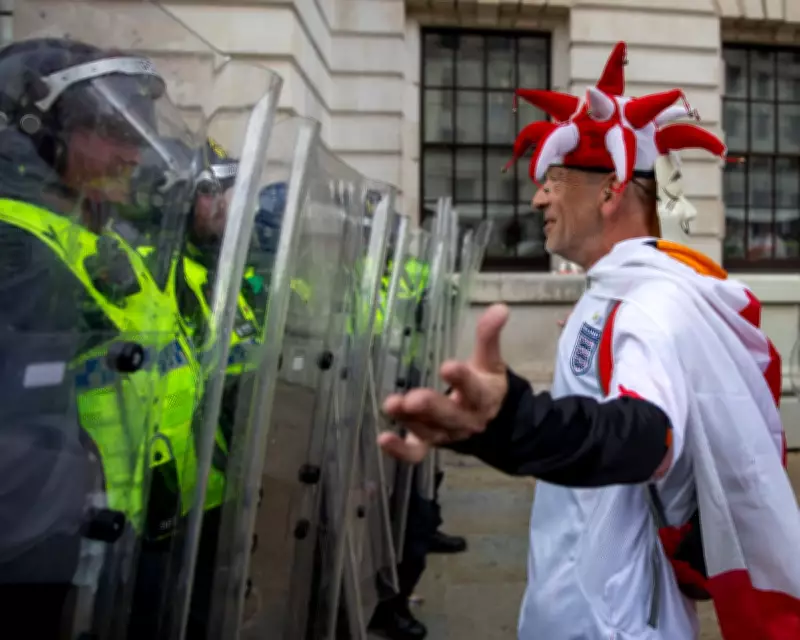
Tommy Robinson, a prominent far-right activist, led a counter-protest against a large pro-Palestine demonstration in central London. The Met Police deployed a significant number of officers to manage the situation, but reports indicate that clashes were narrowly avoided, with tensions running high throughout the event. Critics claim that the police failed to effectively separate the opposing groups, leading to a volatile atmosphere that could have escalated into violence.
Eyewitness accounts describe scenes of confusion, with some protesters from both sides engaging in heated verbal exchanges. The Met Police stated that they were working to maintain order and prevent any breaches of the peace, but many observers felt that their tactics were insufficient given the potential for conflict.

Public and Political Backlash
The backlash against the Met Police has been swift and severe. Community groups have expressed concerns that the police's approach may have emboldened far-right elements, while others worry about the impact on community cohesion in London. Political figures from across the spectrum have called for a review of policing strategies at such events, emphasizing the need for better planning and resource allocation to handle similar situations in the future.
In response, the Met Police has defended its actions, stating that officers worked diligently to ensure the safety of all participants and the general public. They highlighted the challenges of policing large-scale demonstrations with opposing viewpoints, noting that they must balance the right to protest with the duty to prevent disorder.
Broader Implications for Policing in London
This incident raises broader questions about how the Met Police manages protests involving extremist groups in the capital. With London hosting numerous marches and rallies each year, the force faces ongoing pressure to adapt its tactics to evolving threats and social dynamics. Experts suggest that improved intelligence-gathering and community engagement could help mitigate risks, but funding and operational constraints remain significant hurdles.
The controversy also touches on issues of free speech and public order, as authorities grapple with the delicate task of allowing lawful protests while preventing violence and hate speech. As debates continue, the Met Police is likely to face increased calls for transparency and accountability in its handling of similar events.
Moving forward, stakeholders are urging a collaborative approach to ensure that London remains a safe and inclusive city for all its residents and visitors.