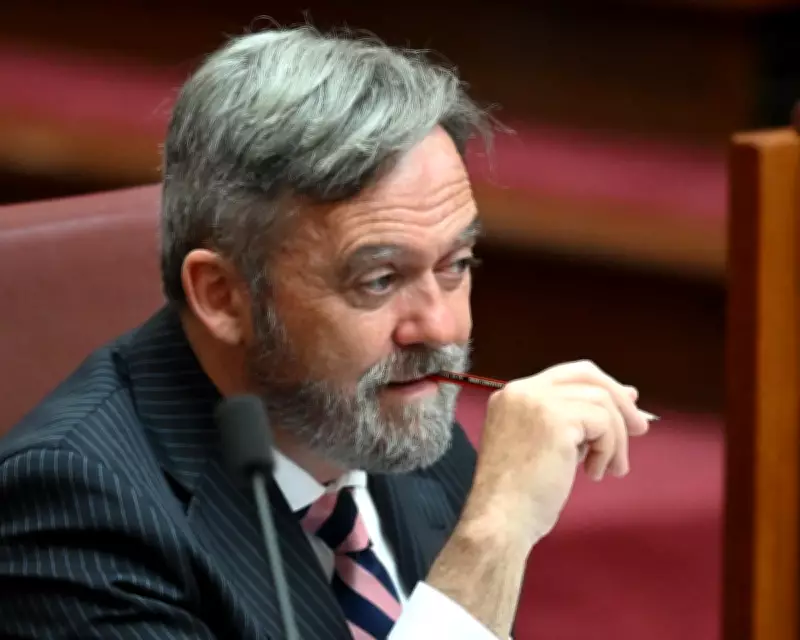
Liberal Senator James McLachlan has issued a compelling plea for the Australian government to take immediate action to repatriate Australian women and children currently held in detention camps in Syria. This urgent call underscores significant humanitarian and security issues that demand national attention and swift resolution.
Humanitarian Crisis in Syrian Camps
Senator McLachlan emphasized the dire conditions faced by these Australians, who are living in overcrowded and unsanitary camps with limited access to basic necessities such as food, water, and medical care. Many of these individuals, including young children, have been detained for years without formal charges, raising serious human rights concerns. The senator argued that Australia has a moral obligation to protect its citizens, especially the most vulnerable, from such harsh environments.
Security Implications and National Responsibility
Beyond the humanitarian aspect, McLachlan highlighted potential security risks if these Australians are left stranded. He warned that prolonged detention could radicalize individuals or expose them to extremist influences, posing future threats to Australian and global security. By repatriating them, the government could implement controlled reintegration and monitoring programs to mitigate these risks effectively.

The senator's advocacy aligns with broader international efforts to address the plight of foreign nationals in Syrian camps, with countries like the United States and European nations having already undertaken similar repatriation missions. McLachlan urged Australia to follow suit, stressing that inaction could damage the nation's reputation on the world stage and undermine its commitment to human rights.
Government Response and Political Debate
This call has ignited a heated political debate in Australia, with supporters applauding McLachlan's stance as a necessary step toward upholding Australian values, while critics raise concerns about the logistical and security challenges of repatriation. The Australian government has previously been cautious, citing complex legal and operational hurdles, but McLachlan's push may pressure officials to reevaluate their stance and develop a more proactive strategy.
In summary, Senator James McLachlan's urgent appeal for repatriating Australian women and children from Syria highlights critical humanitarian and security issues. As the debate unfolds, it remains to be seen how the Australian government will respond to these pressing concerns and what steps will be taken to ensure the safety and well-being of its citizens abroad.