Péter Magyar's Real Coup: Winning Over Loyal Orbán Voters
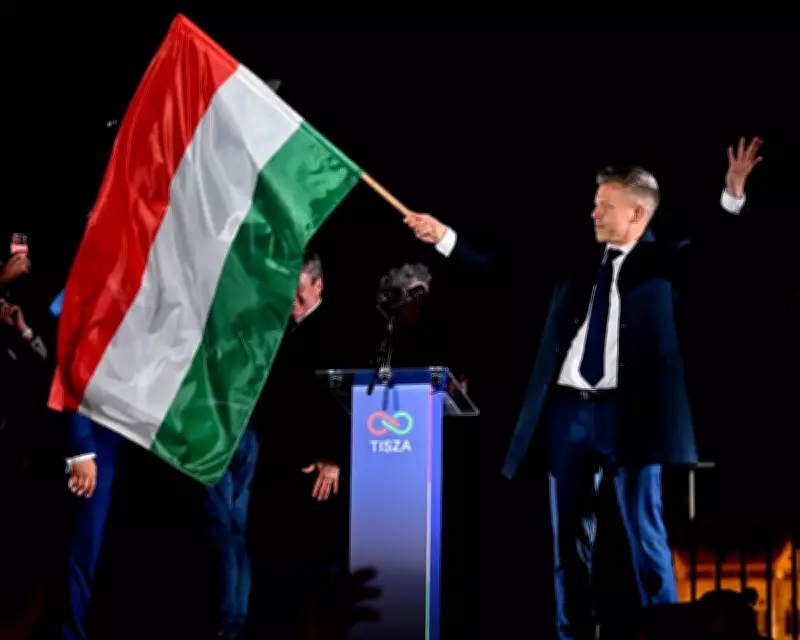
Péter Magyar waves the Hungarian flag triumphantly after announcing his election victory in Budapest on April 12. The international audience observing the Hungarian election result might settle on familiar narratives: east versus west, or a "youthquake" driven by unprecedented young voter participation. While these elements contain truth, those interested in fighting back against regimes like Viktor Orbán's should examine this campaign more closely. Understanding Péter Magyar's success requires progressives to rethink their strategies in similar political scenarios.
Breaking the Spell of Orbán's Omnipotence
Orbán's defeat seemed against all odds. The Hungarian electoral system was meticulously designed by his government after 2010 to serve Fidesz party interests. His allies control vast sections of Hungarian society and economy, including most offline media. Orbán effectively perpetuated the myth that he could not be removed democratically, limiting political imagination for many Hungarians.
Even as opinion polls showed strong Tisza leads in the campaign's final weeks, many found it hard to believe victory could be achieved at the ballot box. Too much was tilted in Orbán's favor, with opposition voters facing disappointment repeatedly over sixteen years. Yet Péter Magyar and his Tisza party, alongside record voter turnout, shattered the illusion of Orbán's invincibility.

Strategic Timing and Authentic Breakthrough
This achievement becomes remarkable considering Magyar deserted Fidesz just over two years ago. In February 2024, the governing party faced a moral and political earthquake involving presidential pardon of a felon convicted of covering up child abuse crimes at a state-run children's home. This scandal destroyed Fidesz's image as standard bearer of "family-friendly" ideas, breaking one of Hungary's strongest cultural taboos.
Magyar chose this moment to break ranks, giving his first full-length interview to independent press where he attacked his own ruling party. He provided narrative for previously disengaged or government-supporting Hungarians to reconsider their positions during this crisis moment.
Contrasting Campaign Approaches
By this point, Orbán had enjoyed fourteen years of power bolstered by supermajority, new constitution, favorable electoral laws, and overhauled media. Party control extended to higher education and cultural sectors. Large-scale corruption scandals and rule-of-law tensions created ceaseless conflict with the EU. Yet Hungarian opposition elites increasingly concluded that ousting Orbán through elections seemed impossible.
Tactically, left-liberal parties pursued fruitless paths. When Orbán took stands, they adopted directly opposing views, attempting to win people through moral superiority while disregarding viability of demands like dismantling anti-migration border fences. Regarding national culture, while Fidesz appropriated patriotic symbolism, left-liberal parties largely avoided national symbols, conceding ground instead of offering alternative Hungarian identity vision.
Magyar's Distinctive Strategy
Magyar differed fundamentally. He attracted attention and gained trust by presenting insider information about governing elite's rotten practices. Once forming his political movement, he remained adamant that Orbán could be defeated on Hungary's uneven electoral field. Instead of dwelling on obstacles or playing victim from parliament or Budapest studios, he toured country organizing rallies even in Fidesz heartlands.
His events featured Hungarian flags, folk songs, poems, and historical references. He knew from election results, opinion polls, and worsening economic conditions that Orbán could be defeated if opposition divisions, leadership gaps, and strategic agenda-setting deficiencies were addressed.

Focusing on Majority Concerns
Magyar has faced criticism for insufficient support of progressive causes like gay rights. However, this victory must be viewed through strategic political lens. Magyar never focused on convincing already politically active opposition voters from Orbán era. He campaigned almost exclusively in rural areas discussing issues relevant to majority Hungarians.
This meant rigorous focus on narrow topics:
- Cost of living crisis
- Collapse of state-run education, healthcare, and transport services
- Enrichment of Orbán-friendly families while most experienced declining prospects
Previously, Fidesz propaganda excelled at "flooding the zone"—announcing new authoritarian measures and targeting NGO community, media, or minority groups. Magyar knew these tricks, understanding that allowing Fidesz to set news agenda would leave him reactive, criticizing Orbán's overreach without dismantling regime or gaining new supporters.
Historic Turnout and Campaign Effort
The election's historic turnout and results reflect four years of economic decline and presidential pardon scandal fallout. Most importantly, they represent political work and campaign effort of tens of thousands volunteering or working for Tisza and their leader. Magyar recognized need to break completely with old opposition, avoiding usual Fidesz traps.
By never questioning that Fidesz could be defeated democratically, he empowered Hungarians to imagine future beyond Orbán's rule.Nóra Schultz is a Hungarian political theorist and podcaster whose analysis reveals how strategic focus on economic realities and rural voters, rather than progressive rhetoric, created this political earthquake.