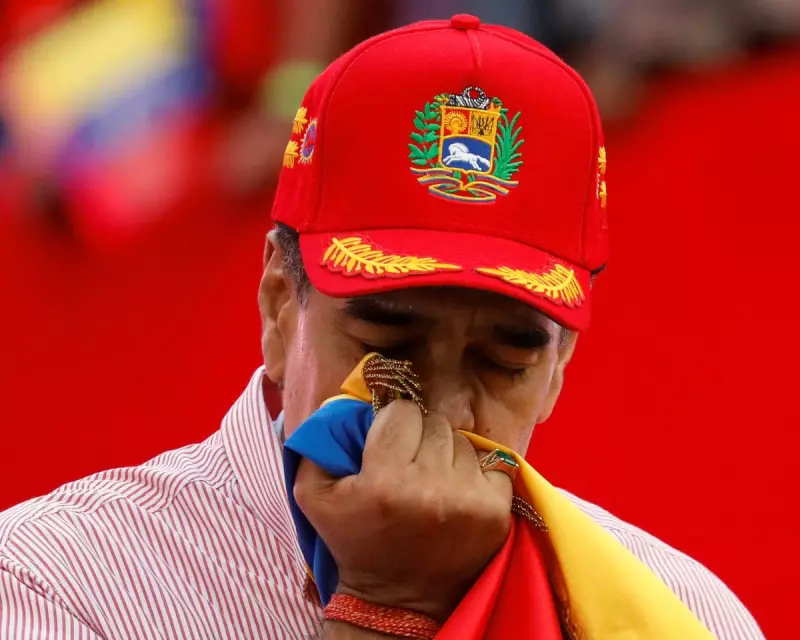
In a dramatic operation that has sent shockwaves across the globe, Venezuelan President Nicolás Maduro was seized by US special forces and flown out of his country, ending his 13-year and eight-month rule. The 63-year-old leader, a former bus driver and protégé of the late Hugo Chávez, now faces trial in New York on serious narcotics and terrorism allegations.
The Humble Origins of a Controversial Leader
Born on 23 November 1962, Nicolás Maduro's political journey began in the working-class neighbourhood of El Valle in Caracas. He served as president of his high school student union but never formally graduated. His only post-secondary education came during a trip to Cuba in 1986. Returning to Venezuela, he worked as a bus driver for the Caracas Metro, following in his father's footsteps to become a union leader.
His political fortunes changed when he became an ardent follower of Hugo Chávez in the mid-1990s. After Chávez was elected president in 1998, Maduro's loyalty and skill propelled him through the ranks. He served six years in the National Assembly, was appointed Foreign Minister, and later became Vice-President.

A Presidency Plunged into Crisis
Upon Chávez's death from cancer in 2013, Maduro was named as his successor. He won a narrow victory that year, but his presidency was immediately engulfed in turmoil. Widespread street protests, led by figures including opposition leader María Corina Machado, were met with a harsh crackdown by security forces, resulting in 43 deaths.
After his party lost control of the National Assembly in the 2015 elections, Maduro moved to neutralise the opposition by creating a pro-government Constituent Assembly in 2017. This sparked further protests, which were violently suppressed, leading the International Criminal Court to open an investigation for crimes against humanity. Over 100 people were killed and thousands injured.
The economy entered a catastrophic freefall, with hyperinflation and severe shortages of essentials. Oil production, the nation's lifeblood, plummeted to less than 400,000 barrels a day. In the 2018 presidential election, Maduro ran virtually unopposed after banning opposition parties, a result dozens of nations refused to recognise.
The Final Act: Election Dispute and US Confrontation
In a bid to ease pressure, Maduro offered some concessions ahead of the 2024 election. However, hopes for a fair vote were dashed when his strongest opponent, María Corina Machado, was barred from running. After the polls closed, the electoral authority declared Maduro the winner but provided no detailed counts. Opposition tallies from over 80% of voting machines indicated a massive defeat for the incumbent. Despite protests, Maduro was sworn in for a third term in January 2025.
The return of Donald Trump to the White House that same month escalated tensions rapidly. The US built up military forces in the Caribbean and began aggressive anti-narcotics operations, destroying boats and killing over 100 people. This set the stage for the decisive operation on Saturday, which saw Maduro and potentially his influential wife, Cilia Flores, taken into US custody.
Maduro, who long accused Washington of trying to undermine Venezuela's socialist revolution, now awaits trial on narco-terrorism charges. For the millions of Venezuelans who fled his rule, his capture represents a pivotal moment, closing a chapter defined by economic ruin, repression, and the unfulfilled promise of the Chávez era.