Scotland's Top Law Officer Faces Intense Scrutiny Over Dual Role
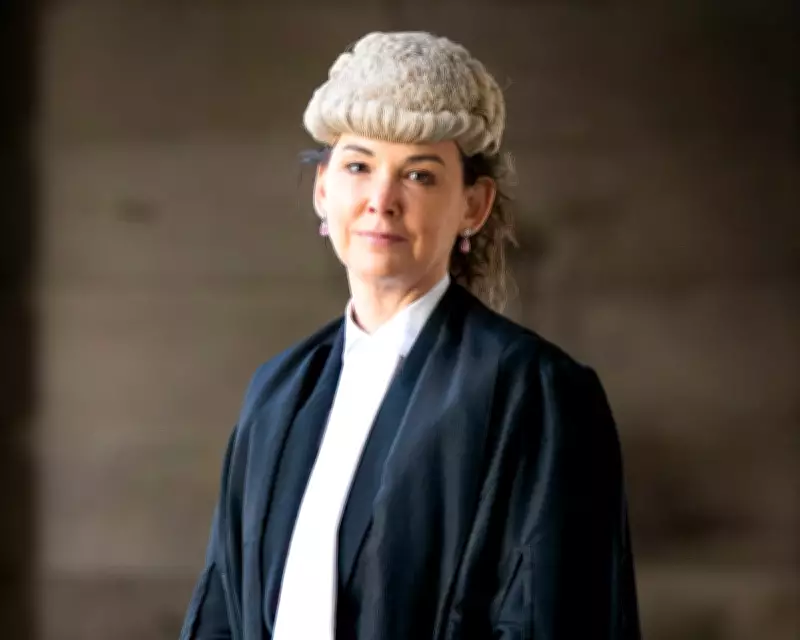
Serious doubts have been raised about the dual role of Scotland's top law officer after it emerged that the first minister was informed of criminal charges against Peter Murrell nearly a year before they were made public. The lord advocate, Dorothy Bain, who acts as Scotland's chief prosecutor as well as the government's principal legal adviser in cabinet, has faced calls to resign, but the Crown Office and Procurator Fiscal Service maintains she was acting in line with her duties.
Timeline of Events Sparks Political Outcry
On Tuesday, the office released a list of nearly 30 other cases the lord advocate had updated governments about over the last three decades. It emerged that on 20 March last year, Bain told John Swinney that Murrell, the former chief executive of the SNP, had appeared in court charged with embezzling "over £460,000" from the party. That detail did not emerge publicly until earlier this month. Opposition parties described the revelation as a "bombshell." The Scottish Labour deputy leader, Jackie Baillie, said the public "need to know that all criminal cases are handled impartially and without political interference."
The Scottish Conservative leader, Russell Findlay, said the row "surely sounds the death knell for the lord advocate's dual role." But senior legal figures are surprised the Scottish government has not yet published an expert report into splitting the lord advocate's dual roles, which it received more than a year ago. Concerns have been swirling since the SNP won power in 2007. Prominent KC and former SNP MP Joanna Cherry proposed a private member's bill at Westminster in 2024 on separating the lord advocate's roles, citing "a perception of a conflict of interest" brought to the fore by the investigation into former first minister Alex Salmond, among others.

Legal Experts Highlight Systemic Issues
Legal experts point out that in England and Wales the cabinet roles of attorney general and the post of director of public prosecutions are held by two different people. The delay in publishing the review by Malcolm McMillan, former chief executive of the Scottish Law Commission, has raised suspicions it might have been blocked or resisted within the government, even though the SNP promised voters before the 2021 Holyrood election it would launch a consultation on the issue during this parliament. Legal figures say they are unhappy about the lack of transparency and the wasted opportunity to publicly debate the case for splitting the two roles.
Angela Constance, the justice secretary, has been asked repeatedly by the Scottish Conservative MSP Liam Kerr when McMillan's report and the Scottish government's response will be published. She told Kerr in April last year the report was being peer reviewed, but there is no sign the Scottish government will launch the promised consultation before the current parliament finishes at the end of March, before May's Scottish elections. A Scottish government spokesperson said: "While the Scottish government is considering whether any change might be desirable, it considers that the current position is appropriate."
High-Profile Criticism and Defense
Brian McConnachie, one of Scotland's leading KCs, said the current situation was "ludicrous." "I can't see any logic in [dual roles] and it can only lead to issues like we saw last week," he said. "It may be there are simple answers but from a legal perspective I do wonder why, if the lord advocate and solicitor general had recused themselves from this case, the lord advocate was then getting involved in telling the government about it? Why is there a need to remind the first minister of this country about the contempt of court laws? Why not remind everybody?"
The dean of the faculty of advocates, Roddy Dunlop KC, has defended Bain, saying she had "always evinced the highest level of ethical conduct." "Suggestions of corruption on her part are very serious and, on the evidence available, entirely baseless." This controversy underscores ongoing debates about legal independence and transparency in Scotland's political landscape, with calls for reform growing louder ahead of the upcoming elections.