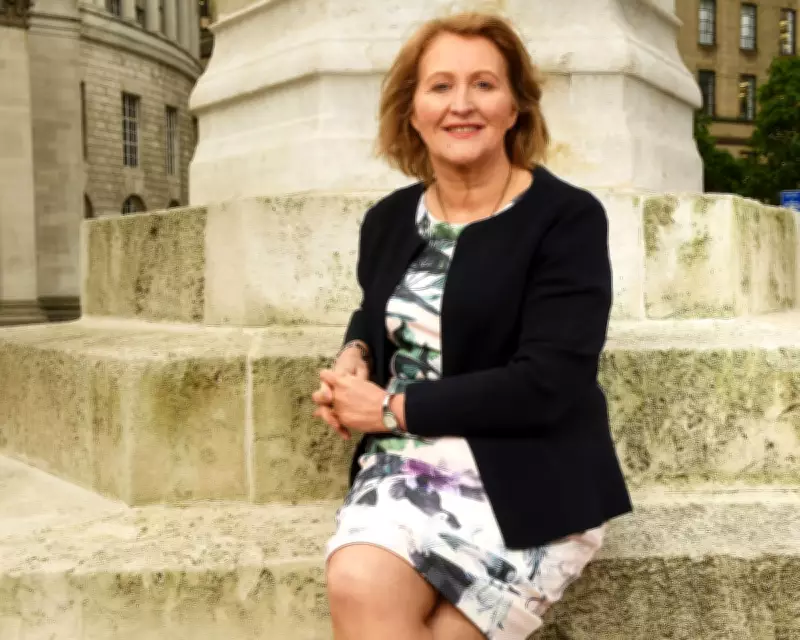
Anne Longfield Confronts Monumental Challenge as Grooming Gangs Inquiry Begins
The independent statutory inquiry into grooming gangs across England and Wales is set to commence in less than two weeks, marking a pivotal moment for victims and survivors who have campaigned for this national examination for years. Former Children's Commissioner for England Anne Longfield, now a Labour peer, has been appointed to lead this vast and fraught investigation, which will scrutinize crimes and institutional responses dating back to 1996.
Scale and Complexity of the Inquiry
Lady Longfield faces an enormous task, with the inquiry's terms of reference now finalized. The government, after initially rejecting the idea, has acknowledged the necessity of a nationwide overview of group-based child sexual exploitation. However, the sheer scale presents significant challenges. Police flagged approximately 17,000 child sexual exploitation offenses in 2024 alone, out of about 100,000 total child sexual offenses. Given that investigating a single crime can take months or years, questions arise about how the inquiry will manage thousands of victims and perpetrators.
To address concerns over prolonged timelines seen in previous inquiries like the seven-year Independent Inquiry into Child Sexual Abuse (IICSA), Lady Longfield has imposed a strict three-year limit. This tight timeframe adds pressure to an already sensitive process aimed at making amends for systemic failures by multiple agencies.

Navigating Sensitive Issues and Data Flaws
The inquiry must navigate complex terrain, including flawed data quality highlighted in Louise Casey's audit for ministers last year. Lady Casey noted that evidence showing disproportionate representation of men of Asian ethnicity exploiting white teenage girls in some areas "warrants further examination." Lady Longfield is expected to follow the evidence wherever it leads, but this requires extreme care in a political climate where far-right activists may exploit findings related to race, religion, or culture.
Additionally, about a quarter of recorded group-based child sexual offenses occur within family environments, raising concerns that a "laser" focus on grooming gangs might skew public perceptions of child sexual abuse overall. The inquiry risks overlooking broader patterns if it becomes too narrowly focused.
Accountability and Future Recommendations
Statutory inquiries like this one have become the gold standard for seeking accountability due to their high profile, dedicated resources, platform for victims, and power to summon witnesses. However, past participants have sometimes been left disappointed. For instance, the Maggie Oliver Foundation recently launched a legal case against the government over failures to implement IICSA recommendations.
Previous local reports on grooming gangs have emphasized the need for investment in frontline services to prevent exploitation and support victims. This inquiry is virtually certain to make similar recommendations, carrying significant financial implications. With the next general election looming, ministers cannot promise to follow advice from a report that may not appear before then. Participants must enter this process aware of both its advantages and limitations, ensuring realistic expectations are set from the outset.