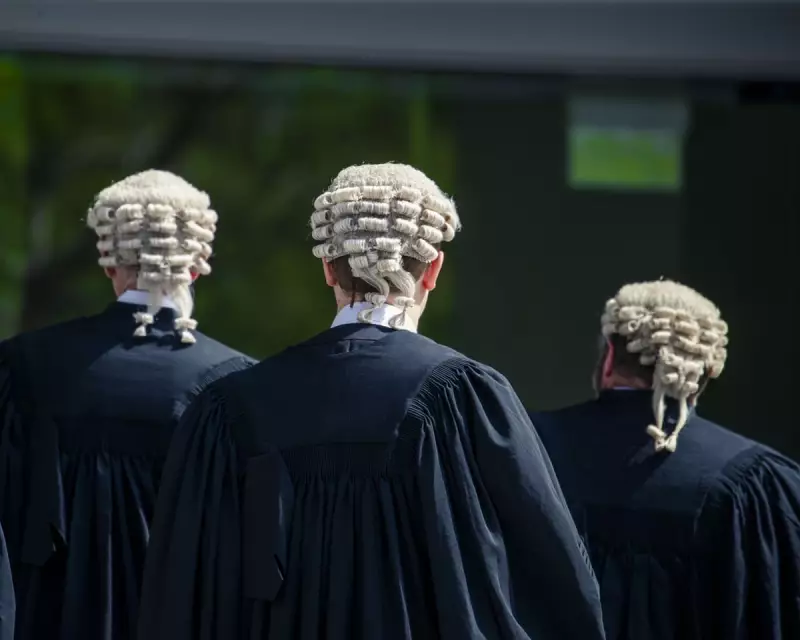
In a major shake-up of the justice system, the Justice Secretary, David Lammy, has announced plans to move thousands of criminal trials away from juries in England and Wales. The controversial reforms aim to tackle a record-breaking backlog of cases that is leaving victims, witnesses, and defendants in limbo for years.
The Backlog Crisis and Lammy's Solution
The catalyst for this radical change is a crown court backlog that currently stands at almost 80,000 cases. Lammy has warned that without intervention, this figure could balloon to over 100,000. The government argues that justice delayed is justice denied, with some defendants facing trial dates as far away as 2029 or 2030, potentially spending years in custody only to be later acquitted.
Following recommendations from a review led by retired judge Sir Brian Leveson, Lammy told MPs that "swift courts" would see cases with a likely sentence of three years or less heard by a judge alone. Furthermore, the power to decide where cases are heard will shift away from defendants for "either way" offences.

What Stays and What Goes?
Jury trials will be guaranteed for the most serious indictable offences, including rape, murder, aggravated burglary, blackmail, people trafficking, grievous bodily harm, and the most serious drug crimes.
However, judge-only trials will be introduced for particularly technical and lengthy fraud and financial cases, long seen as a burden on jurors. Additionally, magistrates will see their sentencing powers increased, potentially allowing them to hand down sentences of up to 18 months, and even two years if needed.
Controversy and Core Criticisms
The move has sparked significant debate. Many view trial by jury as a cornerstone of the justice system, a principle with roots stretching back centuries. Critics point to a lack of diversity among judges and magistrates, who are disproportionately white and privately educated, raising fears of increased miscarriages of justice.
Lammy himself, in a 2017 review, noted that juries can "act as a filter for prejudice." There is also concern that the reforms will reduce the historic ability of juries to acquit based on conscience, as seen in cases involving anti-racism campaigners or climate protesters.
Opponents argue that juries are not the cause of the backlog, blaming instead years of chronic underfunding across the justice system. Delays are compounded by issues like crumbling court buildings, shortages of barristers and judges, late prisoner transport, and complex digital evidence.
While the government estimates judge-only trials could be 20% faster, the path to clearing the backlog and restoring faith in the justice system remains fraught with legal and ethical challenges.