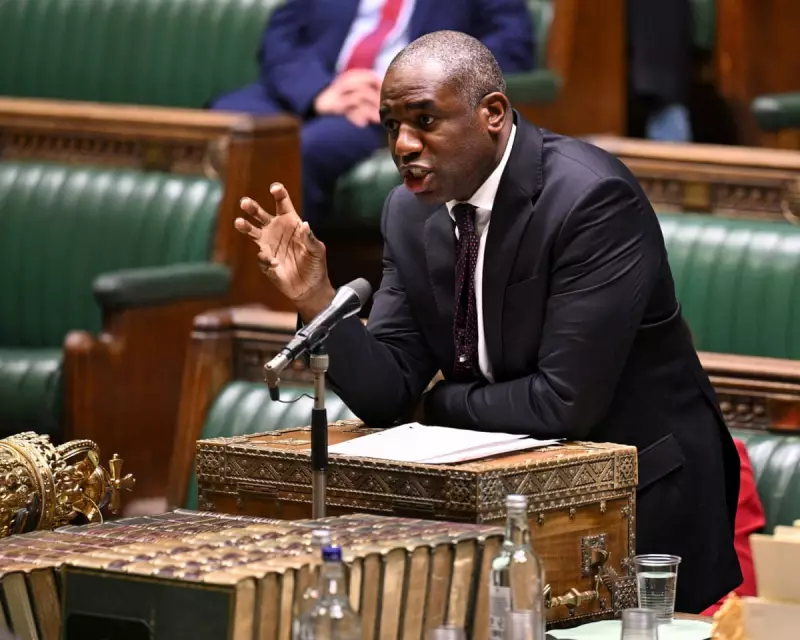
Justice Secretary David Lammy is facing significant criticism over sweeping proposals that would effectively halve the number of jury trials in England and Wales, in what is being described as the most radical change to criminal justice in modern British history.
The Core of the Controversial Reforms
Under the current system, defendants charged with "either-way" offences—which can range from theft and certain violent crimes to some sexual offences—have the right to choose trial by a jury in a crown court or by magistrates. Mr Lammy's plan would remove this right for any case where the likely sentence is less than three years, making it a judge-only proceeding.
This shift would encompass a vast array of crimes, leaving only the most serious offences like murder and rape guaranteed lay participation. The Justice Secretary argues the move is necessary to tackle a crown court backlog of 78,000 cases, with some trials listed into the next decade.

A Departure from Expert Advice
Critics, including legal experts and former senior judges, point out that Mr Lammy is going far beyond the recommendations he cites as inspiration. While he references a review by Sir Brian Leveson, the former judge did not advocate for the blanket removal of a defendant's right to opt for a jury.
Sir Brian did not propose using speculative sentence predictions to determine the mode of trial, nor did he call for expanding magistrates' sentencing powers to two years or judge-only trials across whole categories of crime. Instead, he suggested a judge sit with two magistrates for most "either-way" cases—a model retaining lay input for fairness while potentially speeding up proceedings.
As the former lord chief justice, Lord Thomas, noted, removing this lay input is "the most controversial and serious aspect of the reforms proposed."
Addressing the Real Causes of Delay
Opponents of the plan argue that juries are being wrongly blamed for systemic failures. Jury trials account for less than 3% of all criminal cases and are not the primary cause of court delays. The crisis is widely attributed to a decade of cuts which saw courts closed, staff and judges not replaced, and key services decimated.
Digital forensics units have collapsed under the weight of modern evidence. The Crown Prosecution Service (CPS) has been starved of resources. Crucially, legal aid was gutted, driving many barristers away from publicly funded work. Magistrates' courts, which Mr Lammy suggests can take up the slack, are themselves overwhelmed with 361,000 pending cases.
A serious plan to rebuild justice, critics contend, would involve reopening courts, recruiting judges, rebuilding legal aid and the CPS, and investing to repair the damage of austerity. Mr Lammy's current proposals, however, focus on fewer juries, more magistrates, and longer sentences—despite prisons already being overcrowded and the Ministry of Justice's day-to-day spending being 14% lower in real terms than in 2008.
There is a growing fear that this move sets a dangerous precedent. Removing jury trials for offences under three years could open the door to raising that limit to five, permanently shrinking a fundamental democratic privilege. In pursuing this course, the Labour Party, founded to expand democratic participation, risks forfeiting its moral inheritance by hollowing out one of the oldest pillars of British justice.