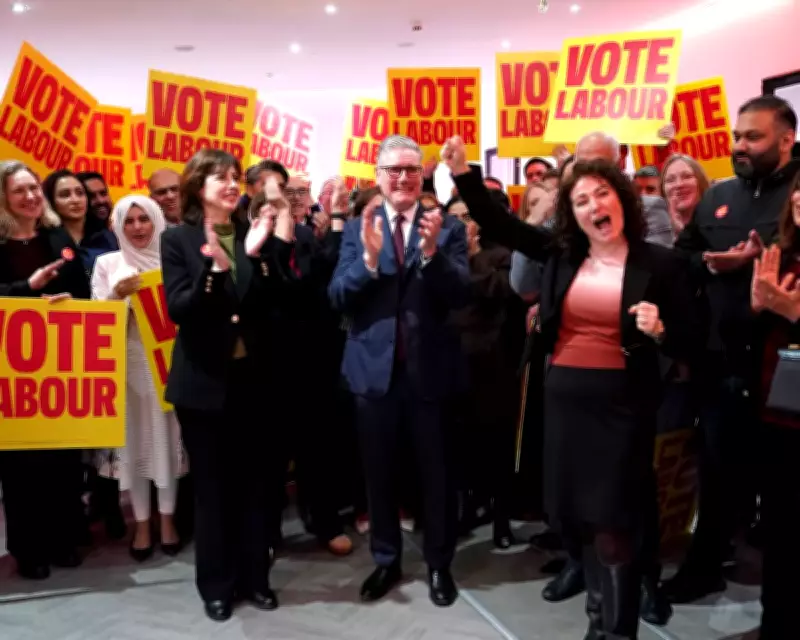
In a significant political development, the Labour Party has clinched a resounding victory in the Gorton and Denton byelection, dealing a substantial blow to Nigel Farage's attempts to rally progressive forces against the established political order. This outcome underscores Labour's enduring strength in these constituencies and highlights the challenges faced by alternative movements in gaining traction.
Strategic Implications of the Byelection Result
The byelection, triggered by unforeseen circumstances, became a focal point for national attention as Nigel Farage positioned himself as a champion of progressive ideals, aiming to disrupt Labour's traditional stronghold. However, Labour's campaign, emphasizing local issues and community engagement, resonated strongly with voters, leading to a clear mandate. This victory not only consolidates Labour's control but also signals a rejection of Farage's narrative, which sought to redefine progressive politics in the region.
Analysis of Voter Sentiment and Campaign Dynamics
Voter turnout and demographic shifts played a crucial role in shaping the byelection's outcome. Labour's ability to mobilize its base and appeal to undecided voters proved decisive, while Farage's campaign struggled to gain momentum beyond initial enthusiasm. The result reflects a broader trend of skepticism towards outsider candidates in byelections, where local connections and policy specifics often outweigh national rhetoric.

Experts suggest that this byelection could influence future political strategies, with parties likely to reassess their approaches to engaging progressive voters in similar contexts. Labour's success here may embolden its efforts to counter challenges from both the left and right, reinforcing its role as a dominant force in British politics.
Looking Ahead: Political Ramifications and Future Prospects
In the aftermath of the byelection, attention turns to the implications for upcoming elections and policy debates. Labour's victory in Gorton and Denton serves as a reminder of the party's resilience and adaptability, while Farage's setback may prompt a reevaluation of his political tactics. This event could also spark discussions on the evolving nature of progressive politics in the UK, with potential impacts on party alliances and voter alignment.
As the political landscape continues to shift, this byelection result stands as a key moment, highlighting the ongoing struggle for influence and the enduring appeal of established parties in times of uncertainty.