The Equality and Human Rights Commission (EHRC) guidance on implementing the supreme court's ruling on biological sex in the Equality Act is facing mounting criticism from Labour MPs, who question its practicality and warn of potential legal turmoil.
Background of the Guidance
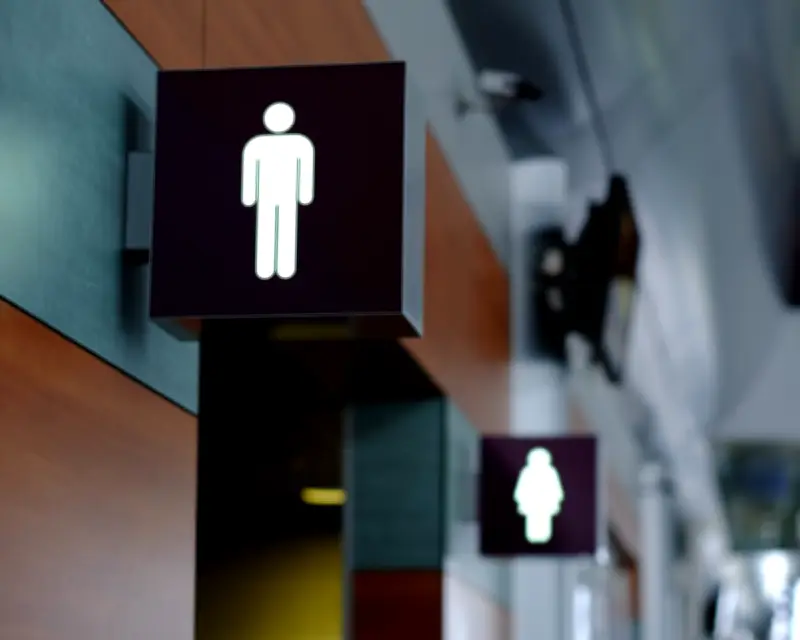
The guidance, approved last month, addresses access for transgender people to single-sex spaces such as hospital wards, changing rooms, and public toilets. It follows the supreme court's decision that sex in the Equality Act refers solely to biological sex.
Parliamentary Motion
A total of 135 MPs, including 69 from Labour, have signed a Commons motion calling for the code of practice to be blocked. The primary concern is its impact on transgender individuals. While blocking the guidance is unlikely without government support, backbenchers are pressuring ministers to consider new legislation.

Practical Concerns Raised
During a recent Commons women and equalities committee hearing, EHRC chair Mary-Ann Stephenson and chief executive John Kirkpatrick faced questions on the code's practical application. Some committee members praised the EHRC for protecting single-sex spaces, but others highlighted significant issues.
Hospital Wards
Labour MP Kevin McKenna, a former nurse, questioned the feasibility of placing transgender patients in gender-neutral side rooms, which are often scarce and needed for clinical reasons. He stated, “This guidance is not ready, not practical, and not safe to implement. It will lead to terrible situations for trans people.”
Several MPs reported that transgender constituents are avoiding medical care due to fears about ward placements. One backbencher noted, “One trans man said he would rather die than be put on a women’s ward.”
Enforcement Challenges
Another Labour MP expressed concerns about the code's reliance on “common sense” for challenging individuals using single-sex spaces, calling it “completely subjective” and warning that organisations fear lawsuits if they make mistakes.
Political Implications
The spread of signatories on the motion reflects broad unease within Labour, crossing traditional left-right divides. One MP said, “The concern is really cutting through… It’s about building momentum for the future.”
Another added that the situation feels unworkable despite government efforts to expand the guidance with practical examples. “It doesn’t seem logical that we have introduced this system where we can challenge people on the way they look,” they said.
Next Steps
The 40-day period for the code to be laid before parliament ends early next month, after which it will become law. A government source defended the process, stating, “We have tried very hard to make the guidance as workable as possible, but it cannot cover every single legal eventuality.”