Labour's Devastating Byelection Defeat Exposes Deep Political Crisis
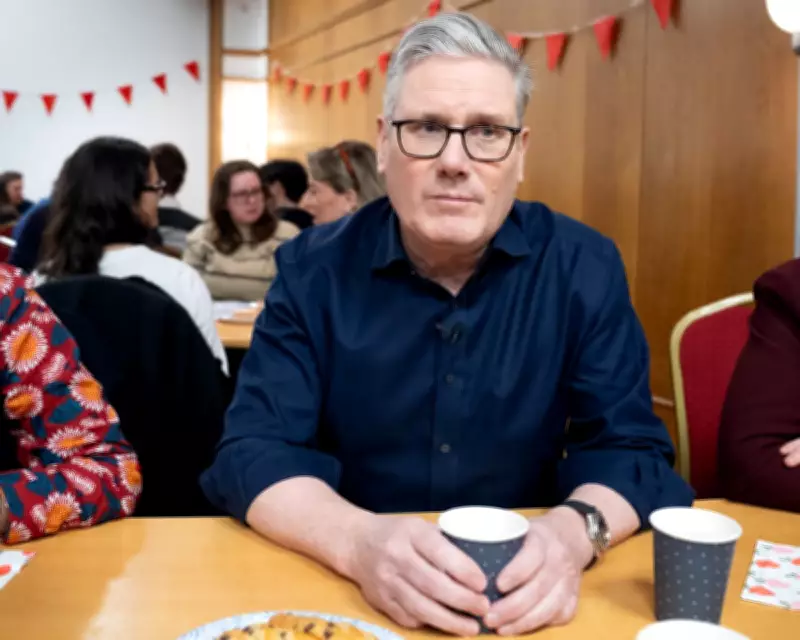
Labour leader Keir Starmer faced party members at St Anne's Church in Putney, south London, on Friday, following his party's humiliating third-place finish in the Gorton and Denton byelection. The gathering came as Labour attempted to process a catastrophic result that saw the Green Party secure a historic victory, fundamentally reshaping the political landscape.
A Historic Political Upheaval
The Green Party's triumph in Gorton and Denton represents one of the most significant political upsets in recent British history. Labour, which had held the area for nearly a century, hemorrhaged half its support from the general election just 19 months prior. Green leader Zack Polanski declared the victory could "transform the face of UK politics," while Labour figures scrambled to explain how their traditional stronghold had crumbled.
Conservative fortunes proved even more disastrous, with their candidate losing their deposit and recording the worst English byelection result in Conservative party history. Despite this, Tory spokespeople bizarrely claimed the result demonstrated that "only the Conservatives have the experience, the plans and the team to ensure a stronger economy and a stronger country."

Leadership Under Fire
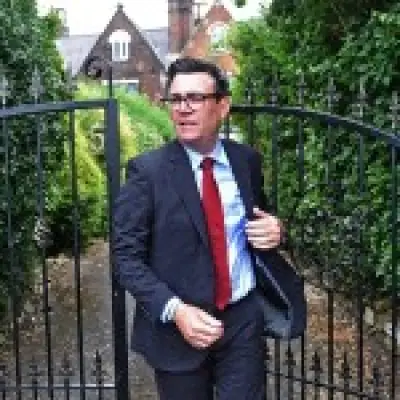
Keir Starmer's leadership faces intense scrutiny following the defeat. The prime minister had actively prevented Greater Manchester mayor Andy Burnham from standing in the constituency, a decision that now appears disastrously misguided. Labour's general secretary, Hollie Ridley, had dismissed Green victory prospects as "bollocks" just weeks earlier, claiming the Greens were "high on the class-A drugs they want to legalise" for believing they could win.
Labour deputy leader Lucy Powell offered bewildering analysis, suggesting voters wanted "the Labour government, shouting more loudly about our values, about our story." This political jargon contrasted sharply with the Green Party's successful channeling of voter anger into hope, according to observers.
Reform UK's Controversial Campaign
The Reform UK campaign proved equally turbulent, with candidate Matthew Goodwin making controversial comments about British identity. Reform chair David Bull, a former presenter of paranormal TV show Most Haunted Live!, awkwardly defended Goodwin as "an academic" who had made "interesting" comments. Goodwin himself claimed Reform was "not a political party" but "a movement and a family" as polls closed.
Nigel Farage immediately alleged "sectarian voting and cheating" in the election's aftermath, though Reform UK failed to secure victory despite their aggressive campaigning.
The Centre Ground Vanishes
The byelection results confirm the complete erosion of Britain's political centre ground. British politics now resembles "a Möbius strip or Earth's worst city (Los Angeles)," with traditional two-party dominance shattered. The Green victory demonstrates how smaller parties can capitalize on voter disillusionment with both major parties.
Conservative minister Kemi Badenoch turned her fire on Starmer, declaring him "in office but not in power" while her own party suffered historic humiliation. The prime minister's frequent talk of "fighting" has produced diminishing returns, leading some to suggest a change in approach might be necessary.
Looking Toward May's Local Elections
With May's local elections approaching, Labour now faces the daunting prospect of fighting simultaneously on two fronts. The party must confront both Conservative challenges and the rising Green threat while addressing internal divisions about strategy and messaging.
The byelection aftermath reveals a political landscape in profound flux, where traditional assumptions about voter loyalty and party dominance no longer apply. As Labour licks its wounds and the Greens celebrate their breakthrough, British politics enters an unpredictable new phase where established parties must adapt or face further erosion of their support bases.