Kevin Warsh: Trump's Ideal Fed Chair Faces Senate Grilling Over Rate Cut Agenda
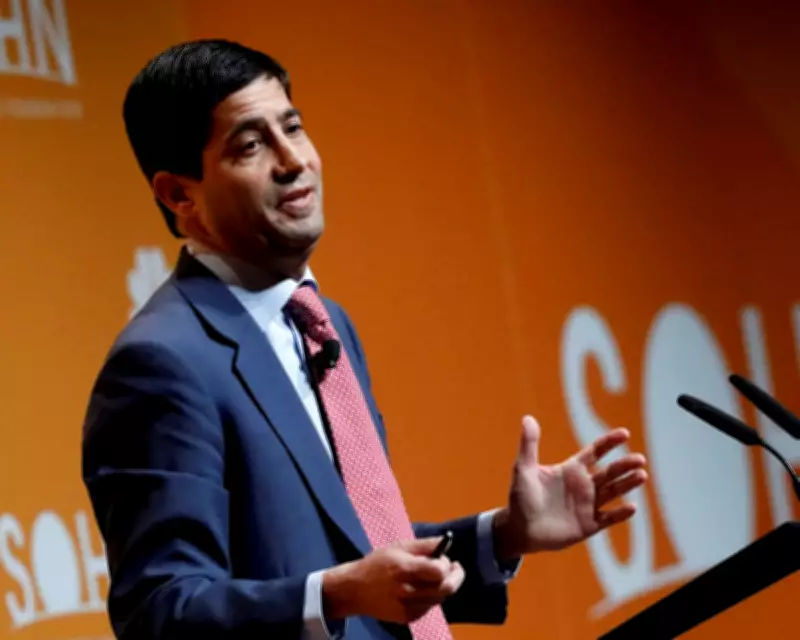
On the surface, Kevin Warsh appears to be the perfect candidate to lead the Federal Reserve, the globe's most influential central bank. The 56-year-old Ivy League economist, former Wall Street banker, and presidential advisor seemingly checks every box for the prestigious role. However, as Warsh prepares for what promises to be a highly charged nomination hearing before the Senate banking committee, his most significant supporter—former President Donald Trump—also represents his greatest vulnerability.
Trump's Unprecedented Pressure on the Fed
During his second term, Donald Trump launched an aggressive and unconventional campaign against the Federal Reserve, publicly attacking current chair Jerome Powell—whom he originally appointed—with insults like "jerk" and "a stubborn MORON," while repeatedly threatening to dismiss him. This tension stems from Trump's persistent desire for lower interest rates, despite the president lacking direct authority to set monetary policy.
Trump believes he has found a solution in Kevin Warsh, who is scheduled to appear before the Senate banking committee for his nomination hearing. The hearing occurs during a turbulent period for the central bank, as Trump's criticisms of Powell have sparked a criminal investigation into renovations at the Fed's headquarters. At least one Republican senator has vowed to block Warsh's nomination until this investigation is concluded.

Warsh's Distinguished Career and Inflation Hawk Reputation
Kevin Warsh's journey in economics began at Stanford University, where he studied under the legendary Milton Friedman, whose free-market theories shaped decades of economic policy. Warsh later earned a law degree from Harvard before embarking on a successful career in finance, specializing in mergers and acquisitions at Morgan Stanley.
In 2002, he transitioned to public service, becoming an economic policy advisor under President George W. Bush and serving as executive secretary of the National Economic Council. Bush appointed the 35-year-old Warsh to the Federal Reserve's board of governors in 2006, where he played a key role during the 2008 financial crisis, helping broker the sale of Bear Stearns to JPMorgan Chase.
Warsh earned a reputation as an "inflation hawk," advocating for higher interest rates to combat inflation even at the potential cost of increased unemployment. He emphasized the Fed's focus on monetary policy, warning against encroaching on fiscal matters like taxation and government spending. Despite a 14-year term, Warsh resigned in 2011 due to disagreements over post-crisis stimulus measures, later teaching at Stanford and advising billionaire investor Stanley Druckenmiller.
Trump's "Central Casting" Endorsement and Rate Cut Expectations
While economists generally agree that an independent central bank is crucial for economic stability, Trump has openly criticized the Fed, treating it as a political adversary. Since appointing Warsh in January, Trump has praised him extensively, predicting that Warsh will deliver the interest rate cuts he has long demanded.
In a recent Fox Business interview, Trump expressed confidence that rates would decrease once Warsh assumes the chairmanship, even admitting he made a "really big mistake" by not selecting Warsh over Powell in 2018. Trump described Warsh as "central casting" and predicted he would be one of the greatest Fed chairs in history.
Before his nomination, Warsh argued for lower interest rates in a Wall Street Journal op-ed, criticizing the Fed's "broken leadership" for failing to adapt to economic growth driven by artificial intelligence. He echoed Milton Friedman's warning about "the tyranny of the status quo," urging faster decision-making.
Political Hurdles and Wealth Disclosure Controversies
Despite Trump's unwavering support, Warsh's nomination is entangled in the ongoing conflict between the former president and the central bank. Republican Senator Thom Tillis of North Carolina supports Warsh but plans to block the nomination until the Justice Department drops its investigation into Powell. This stance aligns with Democratic opposition, potentially stalling confirmation in the narrowly divided Senate banking committee.

Democrats also intend to challenge Warsh's financial disclosures, which they claim lack the transparency expected of Fed nominees. Documents reveal Warsh holds assets worth at least $100 million, potentially making him one of the wealthiest Fed chairs ever, though he cited confidentiality agreements for not detailing his largest investments.
Trump has threatened to fire Powell if Warsh is not confirmed by May 15, the end of Powell's term, but his authority to do so remains uncertain amid legal challenges. Even if confirmed, Warsh cannot unilaterally cut rates; he must persuade the other 11 board members, a daunting task given economic disruptions from global conflicts.