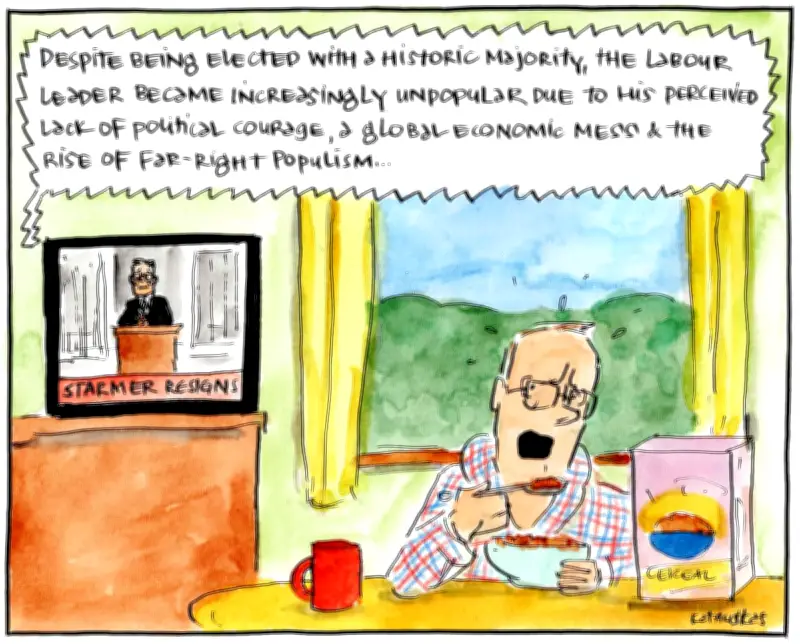
UK Prime Minister Keir Starmer and Australian Prime Minister Anthony Albanese share more than just their roles as center-left leaders. Both face the challenge of governing after long periods of conservative rule, managing internal party dissent, and addressing economic pressures exacerbated by global inflation.
Similar Political Trajectories
Starmer took over the Labour Party in 2020 after a series of election defeats, while Albanese led the Australian Labor Party to victory in 2022 after nearly a decade in opposition. Both leaders have sought to reposition their parties towards the political center, often facing criticism from their own left wings.
Economic Challenges
Both leaders confront high inflation and cost-of-living crises. In the UK, inflation remains above 8%, while Australia has seen interest rates rise to combat similar pressures. Their governments have implemented relief measures, but public patience is wearing thin.

Party Unity and Internal Strife
Starmer has expelled former leader Jeremy Corbyn from the Labour Party and faced rebellions over policies like the two-child benefit cap. Albanese has dealt with factional battles within the Labor Party, particularly over climate policy and mining taxes.
International Relations
Both have maintained strong ties with the US and NATO, while navigating complex relationships with China. Albanese has pursued a more assertive stance on China's influence in the Pacific, while Starmer has emphasized UK security cooperation with allies.
Conclusion
Despite different national contexts, Starmer and Albanese share the challenge of delivering on promises while managing internal and external pressures. Their ability to hold their parties together and address economic woes will define their legacies.