Jamaica's beach access crisis has sparked a fierce battle between local communities and a tourism model that activists label as 'plantation tourism.' Devon Taylor, founder of the Jamaica Beach Birthright Environmental Movement (Jabbem), recalls growing up on Mammee Bay in St Ann, where children played in the ocean, fishers sold their catch, and craft vendors worked under almond trees. Today, that beach is at the center of a conflict over privatization.
The Fight for Mammee Bay
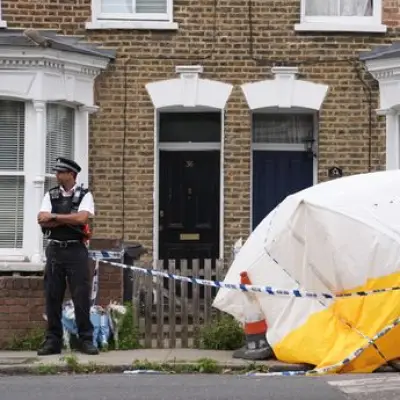
In 2019, locals were locked out of Mammee Bay by a fence and armed security guards hired by investors building all-inclusive luxury hotels. The community tore down the fence and reoccupied the beach, but during COVID-19 restrictions, they were forced to leave. When they returned, they found concrete walls. Taylor describes this as a 'violent displacement,' with gunshots fired to disperse protesters. He argues that cutting off access to the sea threatens the community's survival.
Five Beaches in Court
Five court cases are underway for beaches including Mammee Bay, Little Dunn's River, the Blue Lagoon, Bob Marley beach, and Flankers/Providence beach. The first trial is scheduled for later this month. Each case involves communities denied access to spaces with social, economic, and spiritual significance, due to colonial-era laws that have not been reformed.

The Blue Lagoon: A Treasured Site
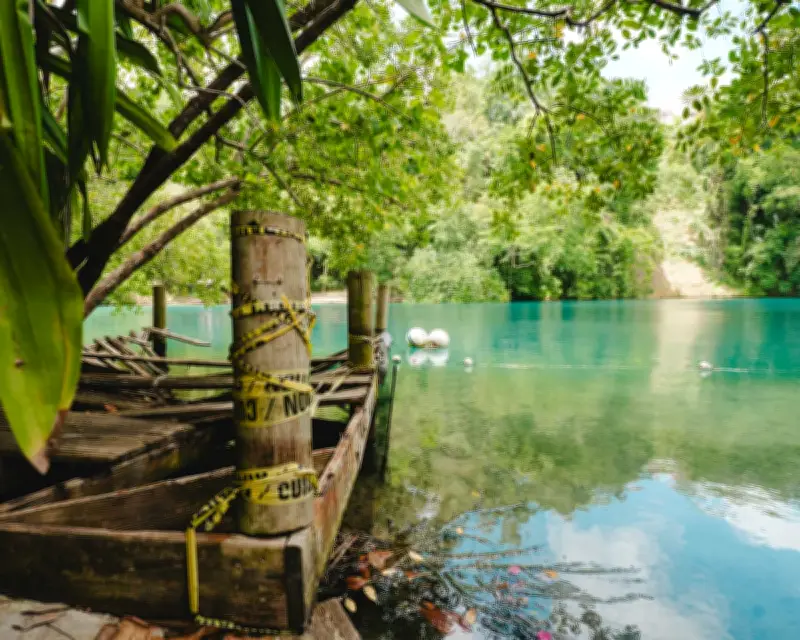
In Portland, the Blue Lagoon—a 55-meter-deep lagoon with turquoise, sapphire, and azure hues—was closed in 2022 under a promise to reopen in 90 days with improved facilities. Campaigners say they were misled; the real plan was to close public access roads for private villa construction. Colin Beckford, president of the Blue Lagoon Alliance, says the lagoon has sustained surrounding communities for generations. Wilbourn Carr, 73, who has swum there since age 14, notes its healing mineral springs used by the elderly.
Flankers and Little Dunn's River
In Flankers, campaigners have filed an injunction to stop developers from building in the sea and are fighting to restore a neglected beach. Olando Brown, a Rastafarian, says the beach provides a space for meditation and should be developed with the community, not taken away. Monique Christie, Jabbem's community coordinator, emphasizes that local families who cannot afford expensive holidays need free beach access. At Little Dunn's River, Damion Coombs, Jabbem's director of community engagement, compares justifications for restricting access to colonial logic of 'keeping out the savages,' arguing that locals generate revenue but gain nothing.
Government Response
Environment Minister Matthew Samuda says the government is committed to ensuring natural assets benefit citizens, citing Harmony Beach Park in Montego Bay and plans for Success Beach Park. He notes that new developments must include corridors to the sea. Samuda also highlights Jamaica's geography, with rocky areas and wetlands limiting beach access. In March, Prime Minister Andrew Holness proposed a beach access and management policy to modernize legislation, but campaigners say it still allows 'qualified rights,' meaning someone can decide access and charge fees. They demand free, legal, unfettered, forever rights.
Legal and Political Concerns
Jabbem is concerned that the National Reconstruction and Resilience Authority (Narra) Act, passed in March to fast-track post-hurricane rebuilding, could weaken the Prescription Act, which protects rights to land or pathways used for at least 20 years. Taylor says Narra lacks checks and balances and concentrates power in the prime minister's office. Samuda defends the act, saying it ensures timely project delivery without weakening oversight. Jabbem stresses it is not partisan, noting that both the Jamaica Labour Party and the People's National Party have presided over the crisis. Shadow Environment Minister Omar Newell acknowledges that successive administrations have privatized beaches and says it needs to stop.
Taylor, an immunologist with a PhD in biochemistry, describes himself as an 'anti-colonial fighter' driven by the movement to defend the environment and fight against colonial legacies of land dispossession and exploitation.