As the UK marks the tenth anniversary of its Brexit referendum next Tuesday, Iceland is fast approaching its own moment of truth about the European Union, albeit from the opposite direction.
Referendum on EU talks
On 29 August, Icelanders will be asked whether they want to resume negotiations with Brussels about joining the EU. Iceland originally applied in 2009 after the financial crash but pulled out of talks in 2013, saying it couldn’t proceed without a referendum. Now, after more than a decade on hold, membership talks are back on the agenda.
Iceland’s youngest ever prime minister, Kristrún Frostadóttir, had previously expected a referendum in 2027. However, Donald Trump’s threats to invade Greenland prompted the government to bring the vote forward, driven by sudden geopolitical focus on the Arctic.

Brexit as a watchword
Fear of invasion by a US president who appears to struggle distinguishing between Iceland and Greenland has convinced some Icelanders of the need to join the EU, but the island remains divided. On both sides, Brexit has become a key reference point.
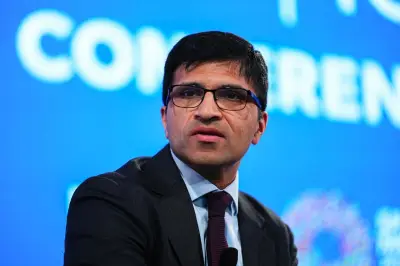
For the pro-EU camp, British Leave campaign misinformation and the UK’s perceived struggles since leaving the EU are evidence that Iceland should do the opposite. “I am fearing that we will face a Brexit moment,” said pro-European foreign minister Þorgerður Katrín Gunnarsdóttir, referring to disputed claims about UK payments to the EU. Brexit, she said, “should be an example of how not to run a campaign.”
In the Eurosceptic camp, the UK’s difficulties in leaving on its terms are presented as reasons not to join. “The EU wanted to make Britain’s departure as painful as possible,” Haraldur Ólafsson of anti-EU group Heimssýn told the Reykjavík Grapevine. “What is lost in one day can take many hundreds of years to get back.”
Public opinion and key issues
While public debate is gaining momentum, polls show the pro-EU campaign has work to do. Iceland is already a member of the European Economic Area and Schengen area. A recent Gallup poll found 54% opposed joining the EU and 46% in favour. Another poll showed 53% would vote yes to resuming talks, with 47% opposed.
Even if Icelanders vote yes, they will be given a second referendum on accepting any terms of entry negotiators bring back.
“Of course the biggest question is always about the fisheries, but the EU has hinted that there could be an exemption for Iceland in that regard,” said Freyja Steingrímsdóttir of the Association of Icelandic Journalists. Fishing is of enormous value: total fisheries assets in 2023 were valued at 1,059 billion Icelandic Króna (about €7.3 billion).
Another major discussion point is the euro. “Iceland has a history of high inflation and high interest rates and a very unpredictable economy, and probably more Icelanders would like to join the eurozone than actually the EU,” Steingrímsdóttir stressed.
Contentious debate ahead
Hulda Þórisdóttir, a politics professor at the University of Iceland, says this is shaping up to be a very contentious referendum, more complex than a left-right divide. Support for the EU exists on both sides of the political spectrum. “The loudest voices are probably the most extreme voices. The vast majority of ordinary people trying to weigh the pros and cons may be feeling a little bit lacking in good information,” she said.
Experts have also warned that Iceland may struggle to ensure voters have clear, correct information, given the potential for AI tools to influence the election.
Arguments against joining include concerns about agriculture, maintaining high living standards and equality, and Iceland’s relationship with the US.
Sovereignty and independence
The most emotive argument is arguably sovereignty, which is baked into the Icelandic sense of self. Recent events in Greenland have reminded Icelanders of their potential vulnerability. “This idea of a hard fought independence is very much still alive with the Icelandic national soul,” said Þórisdóttir. Iceland only gained full independence from Denmark in 1944.

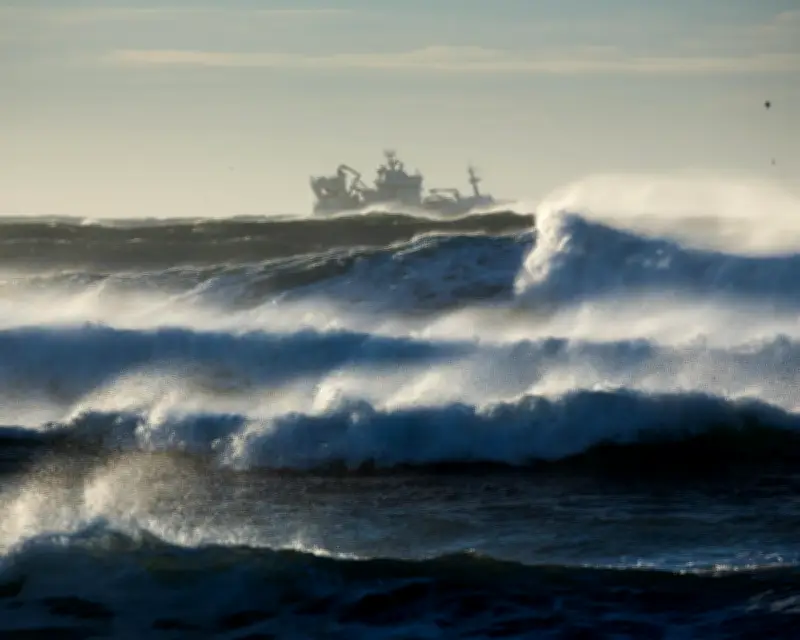
However, the argument works both ways. Pro-EU campaigners argue that only a strong alliance with like-minded European nations can strengthen Iceland’s sovereignty, a sense that “we are alone at sea” if not inside the EU.
Flying between Reykjavík and Nuuk in January, tossed around by the elements, it was difficult to think about anything other than how alone and at sea both islands are. Whether or not Icelanders vote to restart EU negotiations this summer, Brussels and continental Europe will remain – geographically at least – very far away.