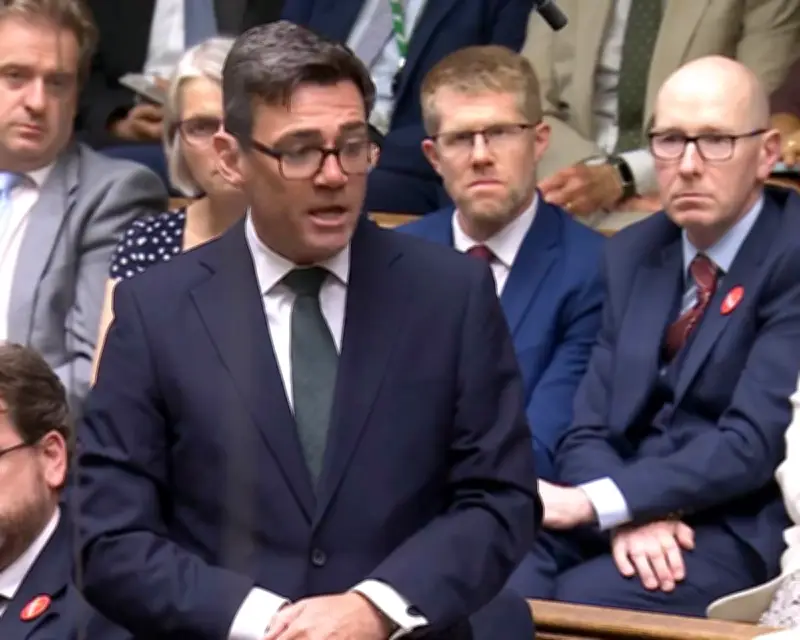
The Hillsborough law, formally known as the public office (accountability) bill, was approved by MPs on Monday night, marking a symbolic handover of power from outgoing Prime Minister Keir Starmer to his successor, Andy Burnham. The legislation establishes a legal duty of candour for public officials and aims to prevent institutional cover-ups, a key change that ties both Labour leaders together.
Burnham's Long Journey to Justice
Burnham first introduced a private members' bill seeking similar measures in 2017, just before stepping down as an MP, but it fell away when Theresa May called a general election. His pursuit of justice for the 96 victims of the Hillsborough disaster dates back to 2009, when he addressed furious Liverpool fans at Anfield on the 20th anniversary of the tragedy. The crowd chanted "Justice for the 96" for two minutes before the then culture secretary could speak, reflecting their anger that no public official had been convicted over the disaster.
Burnham told MPs during the debate: "It does feel tonight like life is coming full circle. As we pass this momentous piece of legislation, a piece of legislation that will change the way this country thinks and works about justice, it truly is a rewiring of the state and a passing of power from the authorities to the hands of ordinary people."
Starmer's Final Days in Office
Since Burnham's victory in the Makerfield byelection, Starmer has been more assertive, securing his legacy with a social media ban for under-16s and a long-delayed defence investment plan, though he left Burnham the challenge of finding an extra £5bn a year to pay for it. On the international stage, Starmer joined the EU's €90bn (£78bn) support package for Ukraine, tried to ease tensions with Donald Trump at the Nato summit in Ankara, signed a trade deal with Switzerland, and potentially planned a trip to the US for the World Cup final.
However, the transition of power has been evident in other areas. The EU delayed the second "reset" summit with the UK after it became clear a new prime minister would take office. Burnham has also made his presence felt on immigration, telling the Guardian during the Makerfield campaign that Home Secretary Shabana Mahmood was right to grip the issue but that a balance must be struck with genuine refugees. Ten days after returning to parliament, Burnham said he would ask the home and foreign secretaries to review all possible options to deport the ringleader of a Rochdale grooming gang, and an amendment to that effect was added to the immigration bill. He voted for the rest of the legislation, with his team indicating he backs Mahmood's changes to indefinite leave to remain and refugee settlement.
A New Era for Labour
Burnham will become Labour leader on Friday and prime minister on Monday. The Hillsborough law encapsulates what he says his government will be about: rewiring the state and passing power from authorities to ordinary people. According to political editor Pippa Crerar, the law symbolises a new era as power passes from Starmer to Burnham, marking a full-circle moment for the PM-in-waiting.