Across the world's great cities, from the boulevards of Paris to the streets of New York, a profound shift is underway. The traditional image of a mayor, preoccupied with local ceremonies, is being replaced by that of a frontline leader confronting some of society's most intractable problems.
The New Frontline of Global Politics
This transformation sees city leaders thrust into the heart of political and cultural battles. In Budapest, Mayor Gergely Karácsony made headlines by defying the national government's ban and rallying tens of thousands for the city's Pride march. In Barcelona, Mayor Jaume Collboni launched a bold plan to eliminate all tourist flats by 2028 to tackle a severe housing shortage. Meanwhile, Paris Mayor Anne Hidalgo has pursued a radical greening of the French capital, making the Seine swimmable and reclaiming riverbanks from cars.
"We have a new role, one that didn't exist before," stated Barcelona's Mayor Collboni. "We've realised that the global problems we're all facing require local solutions." This sentiment is echoed in cities worldwide, where mayors are increasingly acting as the first responders to crises ranging from climate change and mass migration to the soaring cost of living.

Building Alliances Against Common Threats
A pivotal moment in this shift came when Mayor Collboni, upon taking office in 2023, identified housing as a universal concern in his discussions with peers. This led to the creation of Mayors for Housing, an unprecedented alliance of 17 European mayors seeking collaborative solutions to the continent's affordability crisis.
"We're the ones on the frontlines of citizens' daily lives," Collboni explained. "So it's not surprising that we're also the ones saying that things can't continue this way." He positions cities as the true defenders of European values and inclusive societies, contrasting the practical policy work of mayors with the divisive scapegoating often employed by far-right movements.
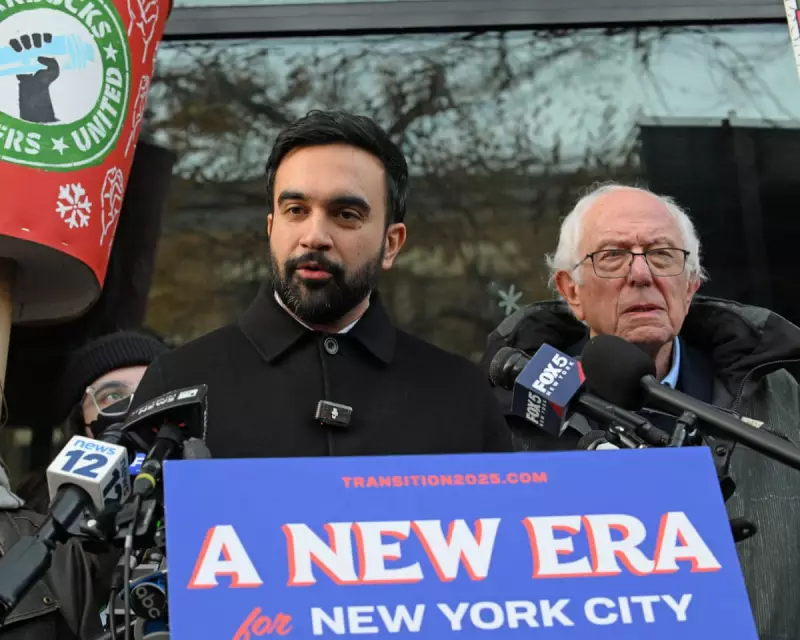
This elevated profile brings intense scrutiny. Figures like New York Mayor-elect Zohran Mamdani, who has publicly backed Starbucks workers fighting for fair wages, and London's Sadiq Khan find themselves in the crosshairs of culture wars. Hidalgo's '15-minute city' concept in Paris, praised globally by progressives, has faced fierce opposition from centre-right and far-right factions.
Pressure, Polarisation, and a Lack of Resources
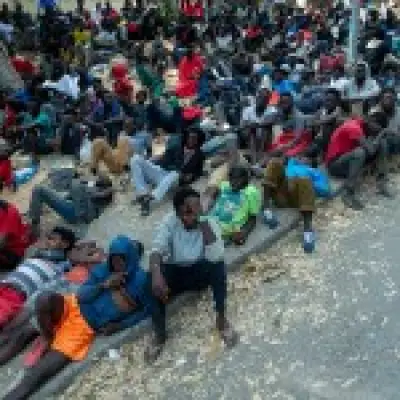
Experts confirm this trend is structural. Professor Ricky Burdett, Director of LSE Cities, cites two key drivers: rapid urban population growth and the fact that cities are on the frontline of every major challenge. "If a city floods, it's a mayor that has to deal with it. If you have a sudden influx of refugees … it's the mayor and local administration who has to also deal with that," he said.
This critical role is often played with one hand tied behind their back. Burdett notes that the financial capacity of cities is frequently under threat from reduced tax income and power struggles with national governments. Recognising the unique pressures of the role, the London School of Economics launched a specialised leadership programme for European mayors in October, following Harvard University's earlier initiative.
Nowhere is the strain more acute than in Budapest. Mayor Karácsony describes a "financial chokehold" from Viktor Orbán's national government, which has systematically cut funding to the capital. "We're on the brink of not being able to pay the wages of our municipal workers," he revealed. After the Pride march, Karácsony was questioned by police as a suspect, and in December, police recommended he face charges.
"I would be the happiest if I could just focus on being mayor instead of trying to uphold democracy with our last breath," Karácsony remarked. He cautions, however, against framing the dynamic purely as a war between progressive cities and populist nations, warning that such polarisation can fuel the very populism it opposes. "I really don't like it when we talk about major cities as islands of democracy, because that brings us back to the middle ages when cities had walls around them."

The message from city halls across the globe is clear: the local is now global. As national political discourse often grows more fractured, mayors are stepping into the void, forced to provide tangible solutions to the defining crises of our time, often with diminishing resources and against rising political headwinds.