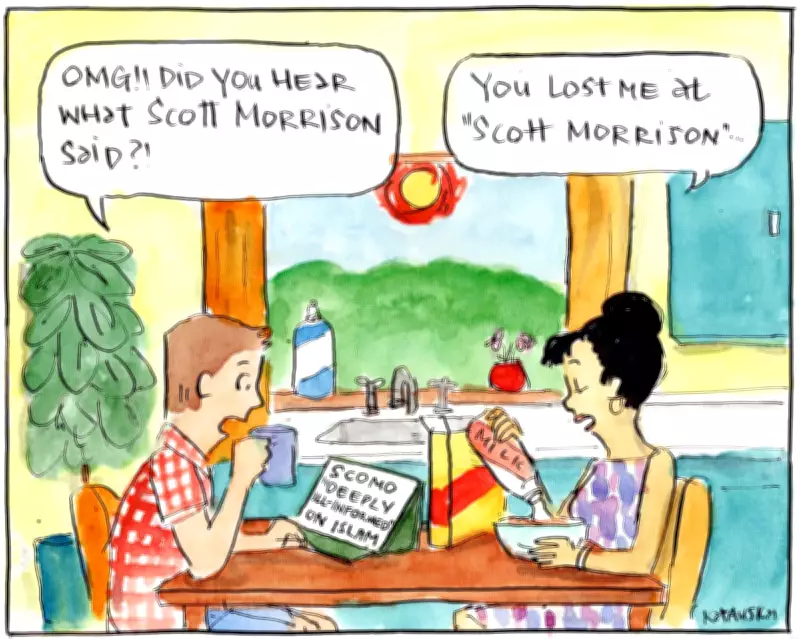
A former prime minister of the United Kingdom has been generating significant attention and debate, creating what observers are calling a "scomotion" within political and public spheres. This development has captured the interest of commentators, analysts, and citizens alike, as it raises questions about influence, legacy, and current affairs in British governance.
Unpacking the Political Stir
The term "scomotion" aptly describes the mix of commotion and scandal that has emerged, with the former leader's actions or statements prompting widespread discussion. This situation highlights the ongoing impact that past political figures can have on contemporary issues, even after leaving office. The ripple effects are being felt across various sectors, from media coverage to parliamentary debates, underscoring the interconnected nature of UK politics.
Context and Implications
In the broader context of British political history, such episodes are not uncommon, but this particular instance stands out due to its timing and the intensity of reactions. It serves as a reminder of how former prime ministers can continue to shape public discourse, whether through direct interventions or indirect influences. The scomotion has sparked analyses of political strategies, public perception, and the evolving dynamics within major parties.

Media and Public Reaction
Media outlets have been quick to cover the unfolding events, with opinions divided on the significance and consequences of the former PM's involvement. Public reaction has ranged from support to criticism, reflecting the diverse viewpoints that characterise the UK's political landscape. This engagement demonstrates the enduring relevance of leadership figures in national conversations and their ability to drive narratives.
Looking Ahead
As the situation develops, it is likely to influence upcoming political discussions and potentially affect policy directions. Observers are watching closely to see how this scomotion might impact party dynamics, electoral strategies, and broader societal issues. The episode underscores the importance of transparency and accountability in public life, as well as the need for robust dialogue in a democratic society.
In summary, the former prime minister's role in causing this scomotion serves as a focal point for examining the intersections of past and present in UK politics. It invites reflection on leadership, legacy, and the continuous evolution of political engagement in Britain.