Nigel Farage Stages Political Spectacle with Reform UK Shadow Cabinet Reveal
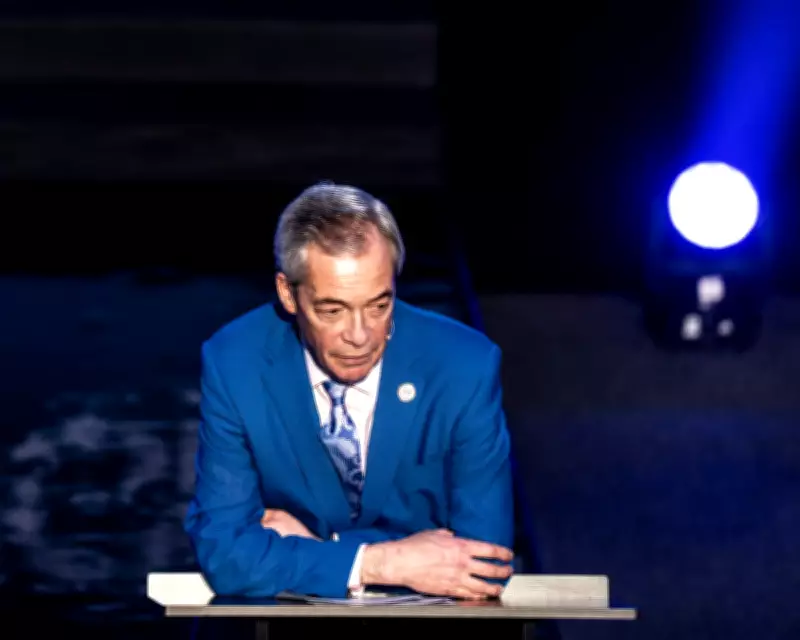
In a meticulously orchestrated 75-minute presentation at Church House in Westminster, Nigel Farage, the leader of Reform UK, ensured all attention remained firmly fixed on him. The event, reminiscent of a game show set, served as the platform to introduce his newly appointed shadow cabinet, a move aimed at countering criticisms that the party is merely a one-man band.
A Carefully Controlled Performance
Farage took center stage, dictating the flow of the proceedings with an iron grip. His team members were granted brief five-minute slots to introduce themselves before fading back into the background, a symbolic start that underscored their subordinate roles. "I was looking for three things," Farage declared, "energy, experience, and expertise." However, the appointments that followed revealed a mix of political calculations and internal dynamics.
Key Appointments and Internal Tensions
The first announcement was Richard Tice, Farage's deputy leader, who was assigned the role of shadow business, trade, and energy secretary. This move appeared to sideline Tice, who had harbored hopes of becoming shadow chancellor. Despite Farage's assurances of the role's importance, Tice's demeanor suggested disappointment, highlighting ongoing tensions within the party's upper echelons.

Next, Robert Jenrick, a former Conservative minister, was named shadow chancellor. Jenrick, previously labeled a "fraud" by Farage, focused his remarks on criticizing the Labour government's recent policies while glossing over his own tenure in the Tory administration. His appointment signals Reform UK's strategy to attract disaffected Conservative voters.
Controversial Figures Take the Stage
Zia Yusuf was appointed shadow home secretary, immediately targeting immigration as his primary focus. He openly criticized Jenrick's past performance as immigration minister, indicating potential friction within the shadow cabinet. Yusuf's aggressive stance on deportations sets a hardline tone for the party's approach to this divisive issue.
Suella Braverman, another former Conservative, was named shadow education, skills, and equalities minister. In a brief and dismissive speech, she declared her intention to abolish the equalities portfolio, claiming schools were underperforming and advocating for vocational training over university education for many. Her appointment reflects Reform UK's alignment with right-wing ideologies.
Farage's Dominance on Display
During the media question session, Farage reasserted his authority, interrupting when journalists directed queries at other shadow cabinet members. He displayed impatience and condescension, particularly toward female reporters, revealing a thin-skinned and controlling aspect of his leadership style. This behavior underscored that, despite the show of a team, Reform UK remains fundamentally centered on Farage himself.
The event concluded without appointments for shadow foreign or defence secretaries, leaving gaps in the cabinet that suggest ongoing recruitment challenges or strategic omissions. As Reform UK positions itself for future political battles, this unveiling has laid bare both its ambitions and the internal hierarchies that define it.