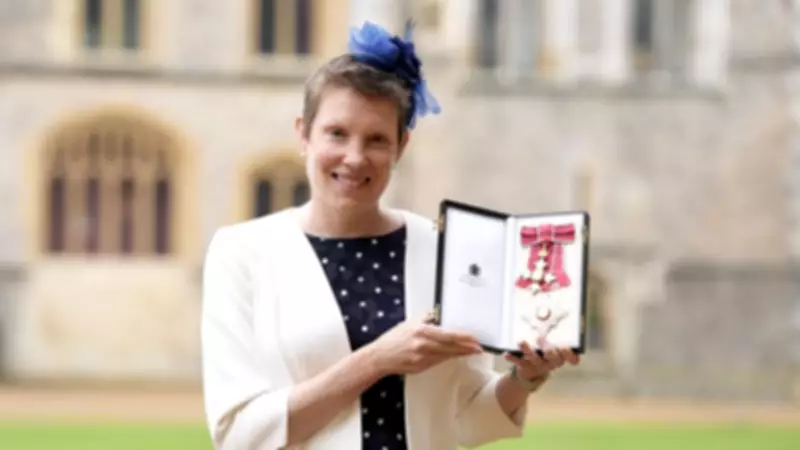
Former MP Dame Tracey Crouch Reveals Bedroom Panic Alarms and Pay Cuts in Westminster Life
Dame Tracey Crouch, the former Conservative MP for Chatham and Aylesford in Kent, has offered a candid glimpse into the realities of parliamentary life, from personal security fears to financial sacrifices. In an exclusive interview reflecting on her tenure from 2010 to 2024, she details the unpredictable hours, varied responsibilities, and the profound impact the role has on family and social life.
The Unpredictable Hours and Varied Role of an MP
It is impossible to quantify precisely how many hours an MP works, according to Dame Tracey, as each day, week, and month differs drastically. She describes it as a real piece-of-string question, with some days starting at 7am and ending past midnight, while others might run from 8am to 6pm. Weekends were almost always filled with work, highlighting the demanding nature of the position.
There is no formal job description for being a Member of Parliament, she notes, resulting in a role that blends multiple professions. MPs end up acting as a cross between spokesperson, social worker, international diplomat, council worker, teacher, manager, and employee—a list that continues to expand based on constituent needs and parliamentary duties.

Financial Realities: Pay Cuts and Resettlement
When first elected in 2010, Dame Tracey's salary was £65,000, which she reveals represented a pay cut from her previous employment. The current MP salary stands at approximately £94,000, a figure she considers probably reasonable given the responsibilities involved.
Upon leaving office, MPs are entitled to a resettlement payment, with the amount varying based on length of service. The pension scheme has also undergone changes, shifting from a final salary model to a career average, aligning with other public sector reforms. Those who have held their seat for two years or more receive twice their statutory redundancy entitlement, with up to £30,000 of this amount being tax-free.
Personal Sacrifices and Security Concerns
Being an MP affects your family massively, Dame Tracey emphasises, noting that her home transformed into a fortress with enhanced security measures. Maintaining a normal social life proved challenging, though she credits pre-political friendships for keeping her grounded.
Personal safety remained a constant worry, particularly for female MPs who face more threats of violence than their male counterparts. We had panic alarms in the bedroom, she reveals, a stark reminder of the security risks that cannot be ignored in modern political life.
Path to Parliament and Essential Traits
The best route to becoming an MP, according to Dame Tracey, begins with grassroots involvement in a political party—engaging with community members and understanding their challenges. It is important to care about people, she asserts, highlighting compassion and a strong work ethic as crucial traits for success in Westminster.
Conversely, the worst trait observed in ineffective MPs is a failure to grasp the concerns of their constituents, underscoring the importance of remaining connected to local issues.
Frustrations with Political Discourse and Personal Regrets
Dame Tracey expresses significant frustration with contemporary political discourse, describing it as too black and white with insufficient appreciation for nuance and multiple perspectives. She joined the Conservative Party because it represents a broad church, a diversity she feels is often overlooked in public debate.
Reflecting on her career, the decision she is most proud of was resigning on principle over delays to implementing stake cuts on fixed odds betting terminals. Her biggest regret stems from the early election call, which left unfinished items on her parliamentary to-do list.

Cross-Party Collaboration and Constituent Concerns
Despite public perceptions of division, Dame Tracey notes that most things in parliament are done on a cross-party basis, with little evidence of genuine hate between MPs from different parties. The most common financial concerns raised by constituents centred on making ends meet during the cost of living crisis, which she describes as very real for those on middle and low incomes.
Ultimately, she characterises the role as fairly thankless, yet one that quickly dispels any sense of elitism through its levelling and equalising demands. Her insights provide a rare, unfiltered look into the sacrifices and challenges faced by those serving in the UK's political arena.