A former senior judge has issued a stark warning that the justice system is in a "calamitous" state, as he defended controversial government plans to restrict the right to a jury trial in England and Wales.
The Case for Faster Justice
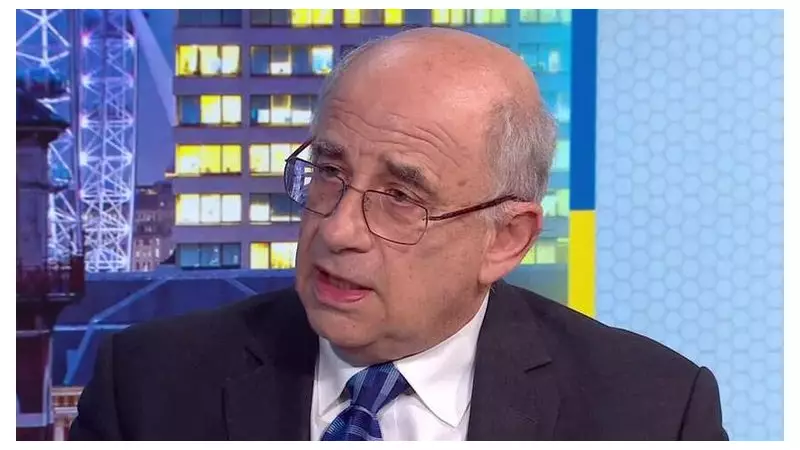
Sir Brian Leveson, the retired judge whose independent review informed the government's policy, told Sky News that the move to limit jury trials is essential to tackle a crippling backlog. He argued the change would lead to at least a "20% time saving" per case, and potentially much more.
Speaking to Sky's Politics Hub on Tuesday 2 December 2025, Sir Brian, a self-described believer in trial by jury, stated that such trials take "very much longer" because they involve twelve people unfamiliar with court procedure. "My concern is that we need to get through cases quicker," he said.

A System Under Immense Strain
The scale of the crisis is severe. Courts Minister Sarah Sackman, also appearing on the programme, revealed the backlog currently stands at 80,000 cases and is projected to rise to 100,000 by 2028. This leaves victims and witnesses waiting years for their day in court.
Sir Brian pointed to a dire shortage of resources, stating: "There aren't the judges, there aren't the court staff, more significantly there aren't the advocates." He insisted that without more funding, sitting days, and efficiency, the backlog cannot be reduced.
"If Not This, Then What?"
Facing criticism of the policy, Sir Brian posed a challenging question: "If not this, then what?" He urged critics to propose an alternative for delivering swifter justice. He advocated using resources proportionately to the crime's gravity, suggesting some less serious cases do not merit a full jury trial.
He even stated that if he were wrongly accused of theft, he would be "perfectly happy for a judge" to decide his case, rather than insisting on a jury.
Minister Defends "Fairness" Reforms
Courts Minister Sarah Sackman defended the reforms, stressing that jury trials remain a "cornerstone of British justice" for the most serious offences. However, she argued the current delays are unfair to victims.
"What's not fair is a victim of crime being told today that she needs to wait until 2029, 2030 for her day in court," Ms Sackman said. She gave the example of a defendant accused of stealing a bottle of whisky opting for a jury trial, thereby delaying more serious cases like rape in the same queue.
She noted that 90% of cases are already heard without a jury in magistrates' courts, delivering what she called "fair, robust justice." The new measures, she claimed, aim to preserve juries for serious crimes while restoring confidence through swifter proceedings.