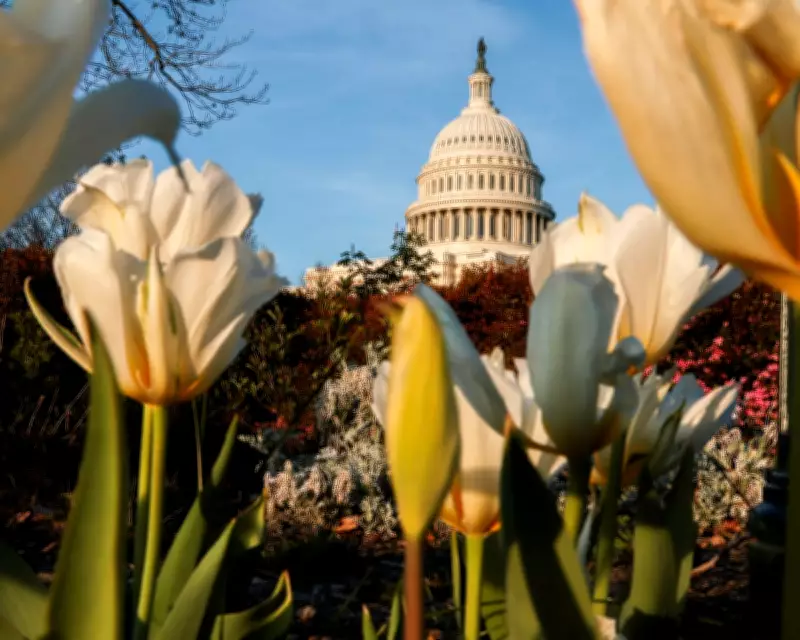
Congress Reconvenes Amid Stalled DHS Funding Talks and Critical Legislative Priorities
The Senate has resumed its legislative duties today, while the House of Representatives is holding a brief procedural session before fully returning to regular business on Tuesday. This comes as lawmakers confront a pressing impasse over funding for the Department of Homeland Security (DHS), with key subagencies still shuttered due to a partial government shutdown now extending into its ninth week—a record-breaking duration that has intensified political tensions.
Immigration Funding Deadlock and Political Pressures
During the recent two-week recess, House Republican Speaker Mike Johnson refrained from advancing a Senate-approved measure designed to reopen agencies such as the Transport Security Administration (TSA) and Coast Guard. However, this bill controversially withholds funds for Immigration and Customs Enforcement (ICE) and border patrol operations, a move that has sparked fierce debate. Democrats are pushing for stricter oversight and guardrails on federal immigration enforcement, a demand amplified by the tragic killing of two US citizens by officers in Minneapolis earlier this year.
It is important to note that ICE and Customs and Border Protection (CBP) have been largely shielded from the shutdown's effects, as they received substantial funding—amounting to billions of dollars—through Donald Trump's comprehensive tax policy legislation, which was enacted into law last year. Speaker Johnson is also under significant pressure from hardline House Republicans, who argue that the Senate bill represents a concession to Democratic priorities, further complicating negotiations.

Proposed Solutions and Legislative Maneuvers
In an effort to break the deadlock, Senate Majority Leader John Thune and Speaker Johnson are expected to collaborate on a new tax package that includes immigration enforcement funding for at least three years. This strategy aims to prevent future standoffs on Capitol Hill by utilizing a legislative process known as reconciliation, which requires only a simple majority to pass, thereby bypassing the usual 60-vote threshold in the Senate. This approach could expedite funding and provide a more stable framework for DHS operations moving forward.
Debate on Voter ID Legislation and Political Hurdles
Meanwhile, senators will dedicate much of today to debating the Save America Act, a restrictive voter ID proposal championed by the president. This legislation would mandate proof of US citizenship for new voters, among other measures, but faces steep political obstacles. It is unlikely to overcome the 60-vote filibuster threshold in the Senate, highlighting the broader challenges of advancing partisan bills in a divided Congress. This debate underscores the high-stakes nature of the current legislative session, where issues of national security, immigration, and electoral integrity are at the forefront.
As Congress navigates these complex negotiations, the outcome will have significant implications for government operations, border security, and democratic processes, with all eyes on Capitol Hill for potential breakthroughs or further delays.