Coalition's Strategic Move: Preferencing One Nation in Farrer Byelection
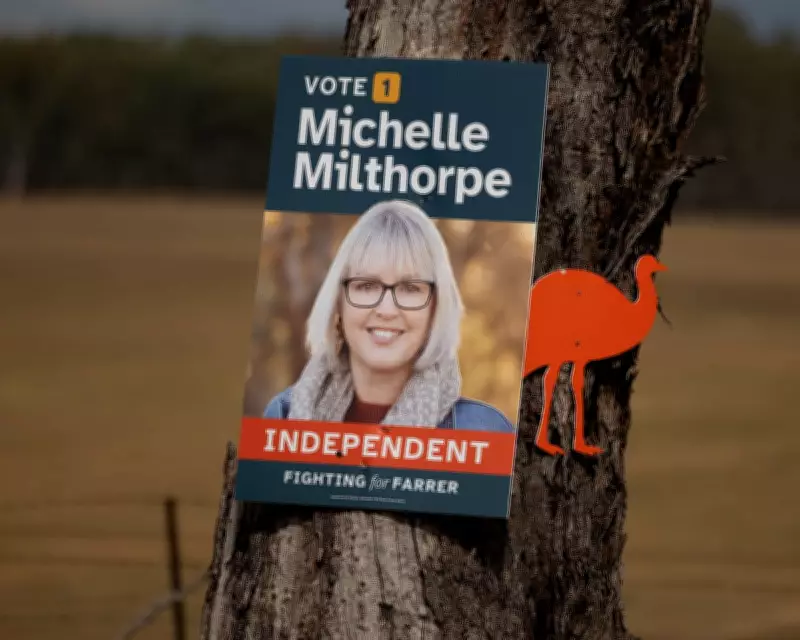
In a significant political development, the Liberal and National parties have announced they will preference One Nation candidate David Farley ahead of independent Michelle Milthorpe in the upcoming Farrer byelection on 9 May. This decision represents a potential blow to Milthorpe's campaign, as she and Farley are widely viewed as the frontrunners in this four-cornered contest for the southern New South Wales seat.
The Preference Battle That Could Decide the Outcome
The flow of preferences from the Coalition parties could prove crucial in determining the final result, given the tight nature of the race. According to a mock how-to-vote card published on Liberal candidate Raissa Butkowski's campaign website, the Liberals will preference Nationals' Brad Robertson second, with Farley placed fourth and Milthorpe ninth. The Greens' Richard Hendrie appears last in twelfth position on the Liberal ticket.
The Nationals will reciprocate by preferencing the Liberals first before directing supporters to number Farley ahead of Milthorpe. This coordinated approach comes despite recent negative advertising campaigns targeting One Nation by Coalition-aligned groups.

Political Motivations Behind the Preference Decision
Nationals leader Matt Canavan explained the reasoning behind the preference strategy in a Facebook post, stating the party would preference One Nation ahead of what he called the "teal-backed candidate because she is backed by people that support net zero and water buybacks."
While Milthorpe's campaign has received support from the Climate 200 fundraising vehicle, she has actively sought to distance herself from the city-based teal independent movement that has disrupted traditional politics in recent elections.
Historical Context and Political Significance
The Farrer byelection was triggered by the retirement of long-serving MP Sussan Ley, who left parliament after losing the Liberal party leadership to Angus Taylor in February. This contest represents the first federal electoral test for Pauline Hanson's One Nation since the party began rising in polls during the middle of last year, following an historic result in last month's South Australian state election.
Milthorpe, who is re-contesting Farrer after reducing Ley's margin to 6.2% at the 2025 election, questioned the Liberal party's logic in preferencing One Nation. "I find it fascinating that the Liberal party would choose to preference a party that seemingly wants to take them out," Milthorpe told Guardian Australia. "If that's what they think they need to do, they've got to think about what that means for their future."
Recent Political Dynamics and Controversies
The Coalition has intensified its attacks on One Nation in recent weeks, including highlighting the party's decision to re-hire convicted rapist Sean Black as a campaign manager. Hanson subsequently fired Black following renewed scrutiny from the Coalition, describing the criticism as "gutter politics."
Recent polling suggests support for One Nation has fallen slightly according to the latest Newspoll and Resolve surveys, prompting speculation that the right-wing party's rise might have peaked. However, Canavan remained cautious when discussing these results on Sky News, stating: "I'm not popping any champagne corks about that. This is a long road, and these are pretty minor changes, so we've just got to keep at it."
The Nationals leader emphasized the need to rebuild trust with Australian voters, acknowledging that the Coalition had "lost our convictions, lost our way a little bit in the last few years."
As the 9 May byelection approaches, all eyes will be on how these preference arrangements influence the final outcome in what has become a bellwether contest for Australian politics, testing the strength of both the independent movement and the resurgent One Nation party in regional New South Wales.