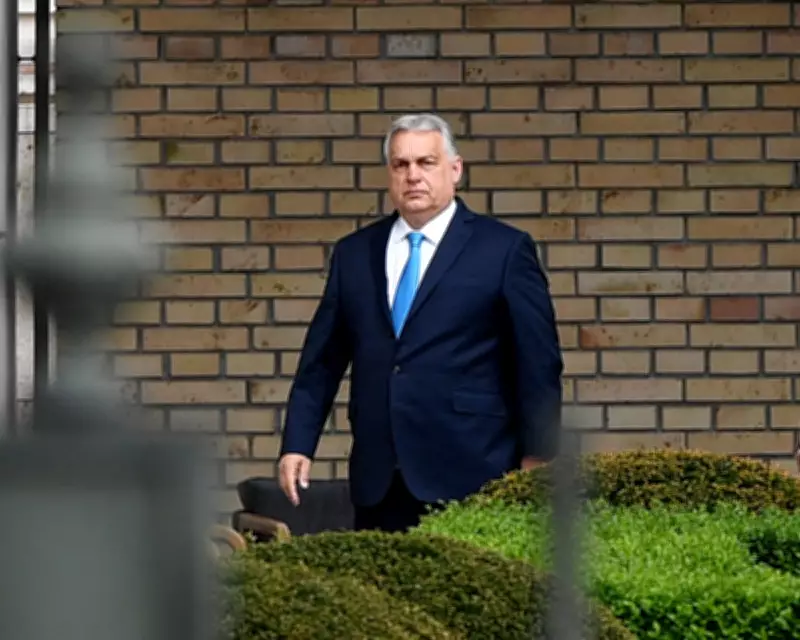
Central Europe has emerged as a crucial laboratory for political trends, with the region experiencing a surge in populism, nationalism, and illiberal policies. According to a recent analysis, countries such as Hungary, Poland, and the Czech Republic are at the forefront of these developments, offering insights into the future of European politics.
The Rise of Populism
Populist movements have gained significant traction in Central Europe, often capitalizing on public discontent with traditional political elites. In Hungary, Prime Minister Viktor Orbán has consolidated power through constitutional changes and media control, while in Poland, the Law and Justice party has pushed judicial reforms that critics say undermine the rule of law. These trends are not isolated; they reflect a broader shift towards illiberal democracy in the region.
Nationalism and Identity
Nationalist rhetoric has also become a defining feature of Central European politics. Leaders often frame their policies as defending national sovereignty against external influences, particularly from the European Union. This has led to tensions with Brussels over issues such as migration, LGBTQ+ rights, and judicial independence. The region's historical experiences with foreign domination have made nationalist appeals particularly resonant.

Illiberal Democracy
The concept of illiberal democracy has been championed by Orbán, who argues that liberal democracy has failed and that a new model based on national values and strong state control is needed. This approach includes restrictions on civil society, media freedom, and academic autonomy. While critics see this as a slide towards authoritarianism, supporters view it as a necessary correction to liberal excesses.
Implications for Europe
The political trends in Central Europe have significant implications for the European Union as a whole. The rise of illiberal democracies challenges the EU's founding principles of liberal democracy and the rule of law. Moreover, these trends could inspire similar movements in other parts of Europe, potentially reshaping the continent's political landscape. The EU has responded with legal actions and funding cuts, but the effectiveness of these measures remains uncertain.
Economic Factors
Economic grievances have also fueled political change. Many Central European countries have experienced rapid economic growth, but benefits have not been evenly distributed. Rural areas and older populations have felt left behind, making them receptive to populist promises of protectionism and social welfare. The COVID-19 pandemic and the war in Ukraine have further exacerbated economic anxieties, strengthening the appeal of nationalist and authoritarian solutions.
Social Media and Disinformation
The spread of disinformation through social media has played a crucial role in shaping public opinion. Pro-government outlets and online platforms have been used to attack opponents and spread conspiracy theories. This has eroded trust in independent media and democratic institutions, making it easier for populist leaders to maintain their grip on power.
Conclusion
Central Europe's role as a political laboratory is likely to continue, with the region serving as a bellwether for broader European trends. The outcomes of these experiments will have lasting consequences for democracy, governance, and international relations. As such, understanding the dynamics at play in Central Europe is essential for anyone seeking to comprehend the future of politics in Europe and beyond.