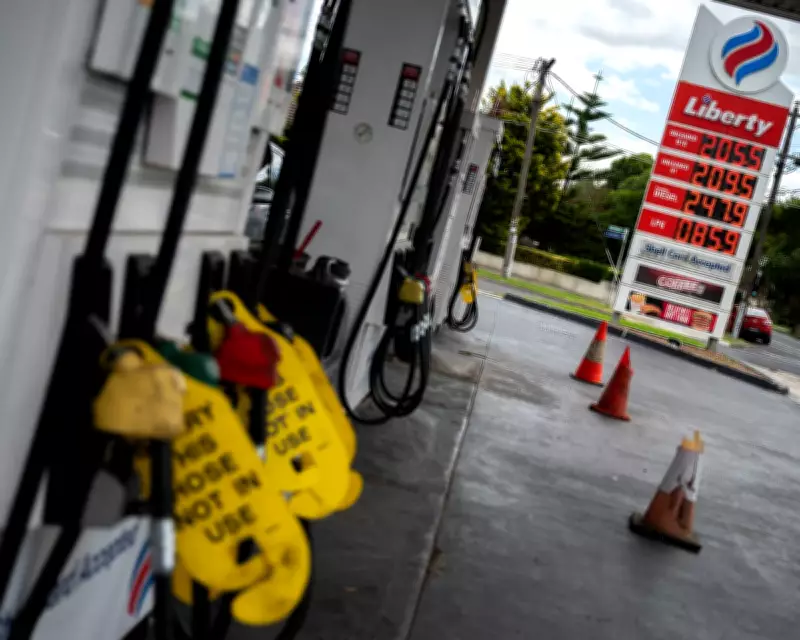
Political Pressure Mounts for Gas Tax as Fuel Prices Soar in Australia
The Australian political landscape is witnessing a remarkable shift as multiple factions unite in demanding significant taxation reforms for the gas industry. With fuel prices reaching unprecedented levels due to global conflicts, the Greens, independents, and even One Nation are collectively calling for either a substantial tax on gas or dramatically increased industry payments. This growing consensus places immense pressure on the Albanese government to seize the moment and implement bold measures in the upcoming May budget.
The Changing Political Calculus
What was once considered politically risky has now become mainstream thinking. Independent senator David Pocock recently highlighted the astonishing reality that Australian beer drinkers pay more in excise than gas companies contribute through the Petroleum Resources Rent Tax (PRRT). This revelation has resonated powerfully with the public, demonstrating how quickly the narrative has transformed. The sentiment is echoed across the political spectrum, with the ACTU advocating for a 25% tax on gas exports that could generate approximately $17 billion annually.
The support extends beyond traditional party lines. Independent MP Allegra Spender, who recently released her own tax white paper, joins Zali Steggall and Kate Chaney in demanding proper taxation of gas companies. Remarkably, even One Nation has announced plans to significantly increase gas industry royalties. Recent polling indicates that One Nation voters show the strongest support for a 25% tax on gas exports, revealing how deeply this issue cuts across political affiliations.

The Economic Reality Behind the Crisis
The current situation stems from fundamental structural issues in Australia's energy taxation system. Unlike most energy-exporting nations, Australia fails to tax LNG exports in any meaningful way. This deficiency has become particularly glaring since Russia's invasion of Ukraine, which caused global gas prices to spike dramatically. Australian gas exporters have reportedly gained an estimated $128 billion in additional revenue since the conflict began, while contributing minimally through the PRRT.
Historical context reveals this isn't a new problem. When the Gladstone LNG terminal opened in 2014, wholesale gas prices in eastern and southeastern Australia more than doubled within six months. Because gas prices directly influence electricity costs, consumers faced immediate impacts on their energy bills. The industry's disproportionate profit-taking becomes even more apparent when considering that while gas companies capture about 8% of all operating profits, they contribute only 0.5% of private sector wages.
Government Response and Growing Public Anger
The Albanese government's current approach has drawn criticism from multiple quarters. Treasurer Jim Chalmers recently defended the government's position by citing changes made to the PRRT in the May 2023 budget. However, these modifications were celebrated by the gas industry, and subsequent PRRT estimates have fallen drastically, contradicting claims that the industry now pays "extra billions of dollars sooner."
Backbench government MP Ed Husic delivered a powerful, mostly unreported speech in parliament, declaring "we don't have a shortage of supply; we have a glut of greed." He emphasized the "red-hot anger" felt by voters across all political persuasions regarding gas company profiteering. This sentiment reflects a broader political reality where voters increasingly recognize that no political party owns their allegiance, and they demand responsive leadership.
The Path Forward
As fuel prices continue to rise nationwide, the perception that Australians are missing out on fair returns from their natural resources will only intensify. The government faces a critical decision point in the upcoming budget. Failure to implement meaningful taxation reform could redirect public anger from gas companies toward the federal government itself. With windfall profits by definition being unexpected, taxing them wouldn't affect business decisions, making this an economically sound approach that addresses public concerns.

The political landscape has fundamentally changed. What was once a lonely position advocated by a few economists and commentators has become mainstream political discourse. The coalition of voices demanding gas industry taxation reform represents an unprecedented convergence of interests across the political spectrum. The Albanese government must now decide whether to lead this change or risk being overtaken by public sentiment that has clearly shifted toward demanding accountability from the gas industry during a period of national economic pressure.