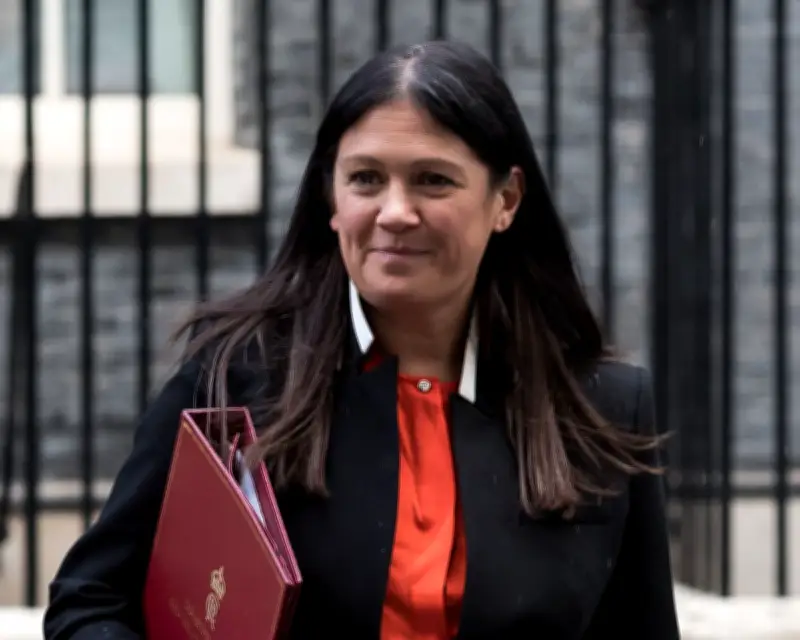
The culture secretary, Lisa Nandy, has stated that cabinet ministers have been instructed to identify additional funding within their departments to support an increase in defence spending. This follows the resignation of former defence secretary John Healey, who stepped down over an inadequate settlement for the defence investment plan.
Discussions Underway
Nandy confirmed to the BBC that her department is among those currently in talks with the Treasury to allocate more resources for defence. Healey resigned last week, citing an insufficient budget for the defence investment plan (Dip). In his resignation letter, he expressed that he could not accept a settlement that fails to provide the necessary resources for the armed forces.
Prime Minister Keir Starmer had previously stated in February that Britain needs to accelerate defence spending, but only offered Healey an additional £2 billion, equivalent to 0.08% of GDP by 2030. Starmer reportedly declined to set a target date for reaching 3% of GDP, which is expected after the next election.

New Defence Secretary's Role
Dan Jarvis, who replaced Healey as defence secretary, has been given until the NATO summit in Ankara in two weeks to propose an alternative plan with increased investment. Nandy emphasized that it is the responsibility of all ministers to ensure national security, stating, “It’s the first duty of any government to keep this country safe.”
She added, “I spoke to the prime minister about this on Friday and to the chancellor this week. I am having discussions with my officials about the funding we can make available. The new defence secretary is reviewing the current draft of the defence investment plan and engaging with the chancellor and prime minister. These discussions are ongoing as we explore how to achieve our goals.”
No Cuts to BBC
Nandy clarified that some areas in her department will not face cuts due to national resilience needs. Specifically, she ruled out reductions to the BBC, citing the importance of combating myths and disinformation that harm national resilience.
When questioned about Healey's resignation despite ongoing discussions, Nandy responded, “I can only speak from my perspective as someone involved in these talks. The discussions are happening in real time. We have a new defence secretary who served on the frontline and was an outstanding security minister. I am confident he would not have taken the role unless he believed we could meet this moment, and we are working constructively together.”
Previous Budget Increases
Nandy rejected the notion that difficult decisions are not being made to fund higher defence spending, noting that the Ministry of Defence has received significant budget increases in the past. She acknowledged that she was among ministers who privately opposed the decision to cut international aid but recognized that it was a firm decision by the prime minister.
Al Carns, who resigned as armed forces minister shortly after Healey, criticized the funding as inadequate. Writing in the Telegraph, Carns stated, “I tried to change things from within, but the machinery is not built to move at the speed the world demands. Spending 2.68% of GDP by 2030 is not a serious answer to fundamentally changed warfare. That figure was set by the Treasury, not by the threat.”