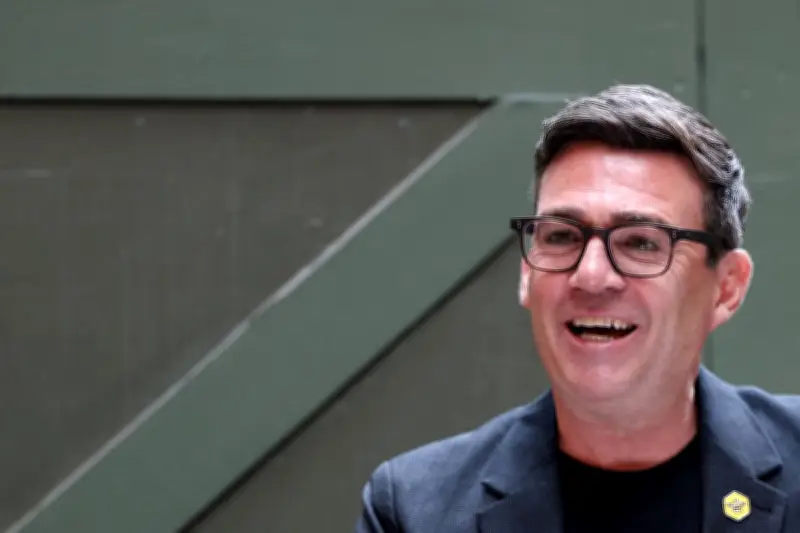
Andy Burnham's recent speech at the People's History Museum in Manchester, laying out his vision for Britain, has drawn responses from readers highlighting significant challenges. Concerns include his silence on certain subjects, unwillingness to face media questions, and the broader issues of regional devolution and housing.
Regional Devolution and Its Pitfalls
Alan Knight, emeritus professor at St Antony's College, Oxford, argues that while regional devolution is touted as key to UK growth, 'regions' have both objective reality and subjective allegiances. These can serve positive causes or be exploited for narrow political advantage. He contrasts wholesome patriotism with chauvinist nationalism, noting that regionalism can connote enlightened reform (e.g., Liverpool) or cronyism (e.g., Teesside). However, regionalism cannot buck basic socioeconomic trends like deindustrialisation, low investment, and inadequate public services. Addressing these requires long-term national strategies, as quick fixes like Brexit or 'No 10 North' are useless. Regionalism can also legitimise prejudice and rancour, leading to conflicts within a 'Disunited Kingdom'.
Housing Crisis: A Huge Challenge
Chris Pratt of Leeds highlights the clear case for boosting social home building. Currently, 134,000 households (350,000 people) are in temporary accommodation, and 1.3 million households are on housing waiting lists. The housing benefit bill has rocketed to over £36bn. In the 1960s, around 400,000 council houses were built annually, compared to just over 12,000 in 2025. Given public funding constraints and labour shortages, delivering 'the biggest council housing building programme since the postwar period' will require substantial borrowing. This must be part of credible economic growth and fiscal strategies that business and bond markets trust. Councils may also need to establish non-profit companies that build houses for rent and sale, repaying loans from net income.

Political Judgment and Silence on Key Issues
Bernie Evans of Liverpool echoes Pippa Crerar's observation that Andy Burnham 'remains untested in another crucial area where many MPs felt Starmer had failed: his political judgment.' Evans states that it doesn't matter if decisions are made in Manchester or Downing Street if they don't deliver policy change voters crave. Burnham's 'silence on certain subjects and an unwillingness to face questions from the media are worrying.' Evans criticises Shabana Mahmood's immigration policies as 'un-British'—as Angela Rayner said—and notes that support for a rogue ally, which the UN's independent international commission of inquiry says continues to 'commit genocide by deliberately targeting Palestinian children in Gaza,' is appalling, regardless of whether the announcement is made in a dark T-shirt or not.