Brexit's Impact on Social Cohesion
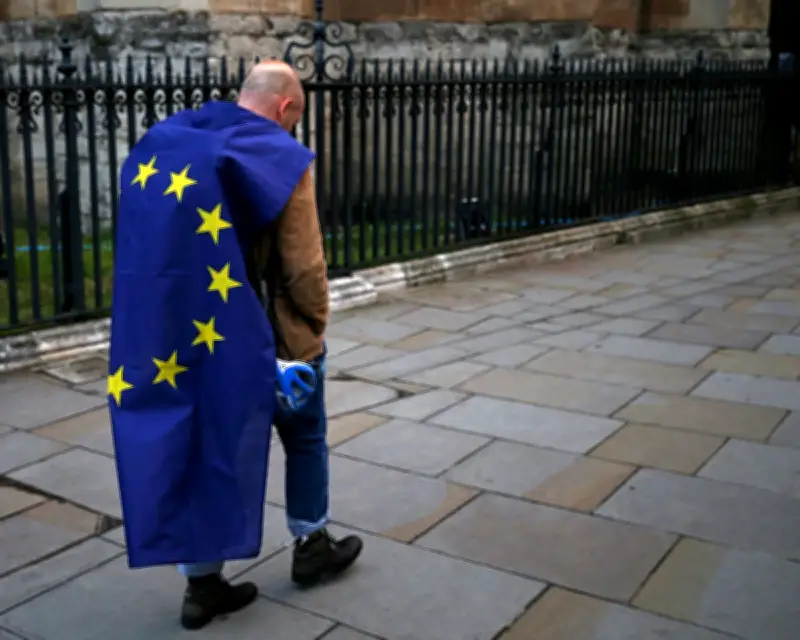
Ten years after the Brexit referendum, the UK is experiencing unprecedented political and social division. Novelist Elif Shafak reflects on how the country has changed, noting that the ability to disagree respectfully has been replaced by hostility. A 2025 study by King's College found that 84% of the public says the country feels divided, the highest level on record.
A Personal Observation of Change
Shafak recalls moving to the UK nearly two decades ago and attending a debate on British identity where speakers with opposing views shook hands and went for a pint afterward. This openness, she says, has been shattered. On a recent trip from the Hay festival, a local man described Westminster as a battleground, calling voters of different parties 'traitors.'
From Opponents to Enemies
Shafak highlights a dangerous shift in language, where political opponents are framed as enemies. She cites an art installation in Liverpool honoring dead migrants, which was vandalized with the words 'Invaders not refugees.' A 2023 study by the University of Michigan, Columbia University, and Stony Brook University found that generic statements about whole categories of people exacerbate divisions.

Brexit's Faultlines
Brexit revealed and reinforced splits between political factions, generations, and regions. Shafak notes that at literary events, audience members often say Brexit broke family relations and friendships. People avoid discussing politics at dinner tables, leading to disengagement and danger.
The Role of Emotions and Arts
Shafak argues that illiberal figures often connect better with people's emotions than democratic counterparts. She calls for a calmer language from the arts, which can build empathy and bridge divides. Supporting cultural centres, youth centres, literary festivals, and libraries is crucial in times of crisis.
A Call for Reflection
Multiple polls show a majority of Britons believe Brexit failed to deliver its promises, but there is little appetite to revisit the issue. Shafak urges a pause to consider what has changed in the social contract and how democratic language has been damaged, concluding that much can be mended.