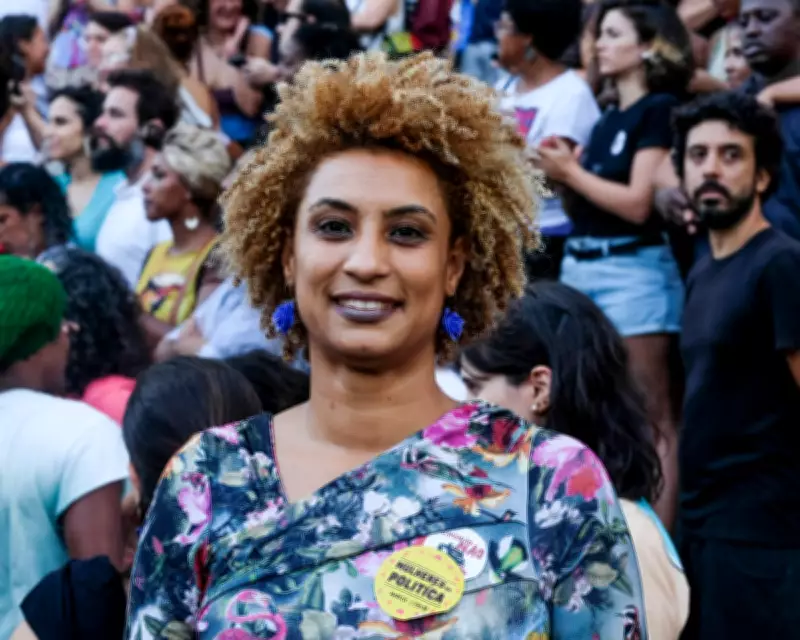
Brazil's Supreme Court Launches Historic Trial for Rio Politician's Murder
Brazil's Supreme Court has commenced a monumental trial for the 2018 assassination of Rio de Janeiro councilor Marielle Franco, a case that has captivated the nation and sparked intense scrutiny over political violence and judicial accountability. This trial marks a pivotal moment in Brazilian legal history, as it addresses a high-profile crime that has drawn international attention and domestic outrage.
Details of the Case and Its National Impact
The trial focuses on the brutal murder of Marielle Franco, a prominent left-wing politician and human rights activist, who was shot dead along with her driver in Rio de Janeiro in March 2018. The case has been fraught with delays and controversies, with investigations implicating individuals linked to organized crime and political circles. The Supreme Court's involvement underscores the case's significance, as it involves allegations of corruption and violence at the highest levels of power.
This proceeding is not just about seeking justice for Franco and her family; it represents a broader test for Brazil's democratic institutions and their ability to confront impunity in cases of political violence. The trial has reignited debates about safety for public officials and the role of the judiciary in upholding the rule of law amidst widespread public distrust.

Key Developments and Public Reaction
Since the murder, there have been multiple arrests, including suspects with ties to militia groups and former police officers, highlighting the complex web of criminal and political connections in Rio. The Supreme Court's decision to take on this trial directly, rather than leaving it to lower courts, signals a commitment to transparency and accountability, though critics argue it reflects systemic failures in the justice system.
Public reaction has been overwhelmingly supportive of the trial, with protests and vigils held across Brazil demanding justice for Franco. Her death has become a symbol of resistance against violence targeting marginalized communities and political dissenters, making this trial a litmus test for social justice in the country.
Implications for Brazil's Political Landscape
The outcome of this trial could have far-reaching consequences for Brazil's political environment, potentially exposing deeper issues of corruption and violence that plague the nation. It may influence upcoming elections and policy discussions on crime prevention and judicial reform. As the trial unfolds, it will be closely watched by human rights organizations and international observers, who see it as a critical step toward addressing impunity in Latin America.
In summary, the Supreme Court's trial for Marielle Franco's murder is a historic event that goes beyond a single crime, reflecting broader struggles for justice and democracy in Brazil. Its progress will be a key indicator of the country's commitment to combating political violence and ensuring accountability for all citizens.