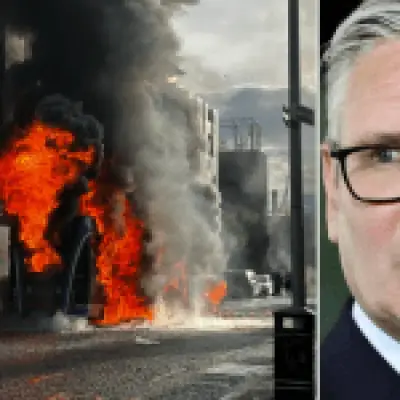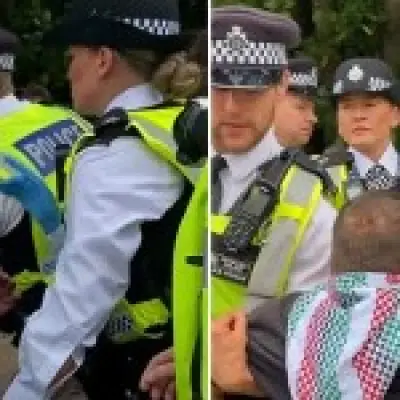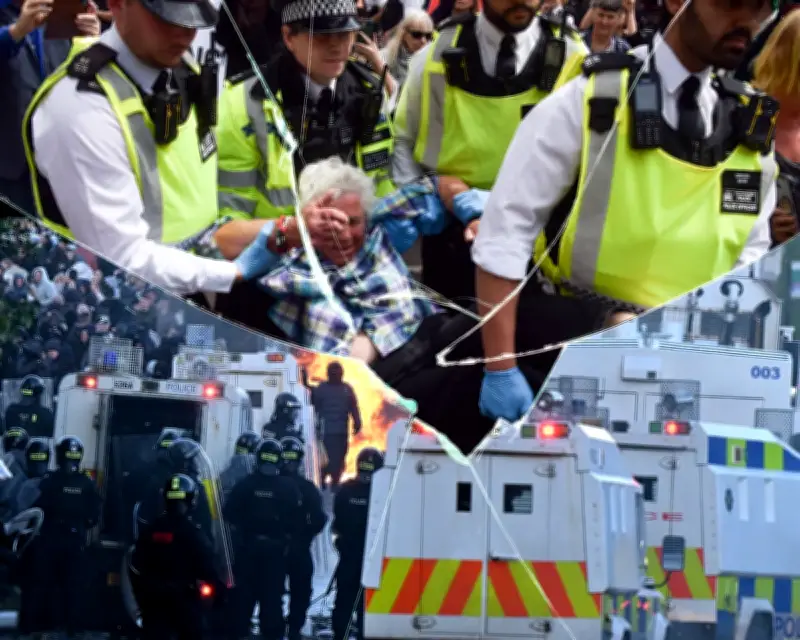
The recent riots in Belfast, where people were burned out of their homes, clearly meet the government's definition of terrorism: actions designed to intimidate the public for political, racial, or ideological causes. Yet ministers refuse to label them as such, reserving the term for groups like Palestine Action, which challenges Israel's actions in Gaza. This double standard reveals a two-tier justice system where far-right violence is treated leniently while left-wing dissent is criminalized.
The Definition of Terrorism
According to the UK government, terrorism involves the use or threat of serious violence against a person or property to advance a political, religious, racial, or ideological cause. The Belfast riots, involving racist attacks and property damage, fit this definition perfectly. However, no one has been charged with terrorism there, while over 3,000 people have been arrested for supporting Palestine Action, many facing terrorism charges.
Palestine Action Ban Upheld
The Court of Appeal upheld the ban on Palestine Action, despite its actions being less extreme than historical protests like the suffragettes. The judgment failed to clarify what direct action would not be terrorism, leading to concerns about the breadth of the definition. The group's members were sentenced as terrorists for breaking into an Elbit factory, even though they were not convicted of terrorism charges.

Two-Tier Justice
This disparity highlights a two-tier system: right-wing rioters face fewer consequences than left-wing activists. The government's approach treats far-right violence more leniently, effectively enforcing rightwing authoritarianism under a Labour government.