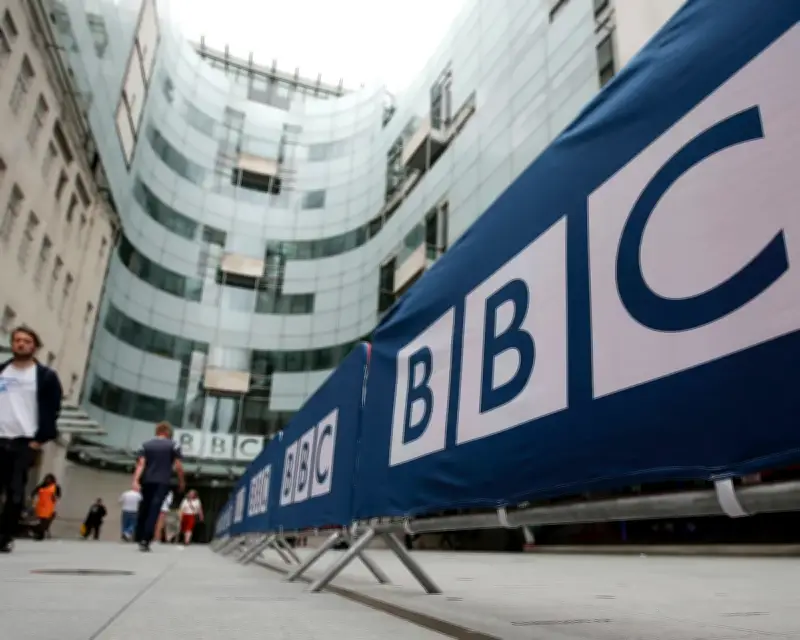
The future of the BBC and its funding is too important to be negotiated behind closed doors in Whitehall, according to Phil Harding, a former controller of the corporation's editorial policy and former editor of the Today programme.
Writing in response to a recent Guardian investigation into the secretive charter renewal process, Harding said the issue demanded public scrutiny. The Guardian's report, published on 10 September, described the process as 'a completely unique opportunity' to reshape the broadcaster.
A call for transparency in charter renewal
Harding argued that the BBC is too significant an institution for its fate to be decided in private. He said the details of the charter renewal are too important to be negotiated without wider public involvement, and he welcomed the Guardian's decision to bring the matter back into the spotlight.

The former controller highlighted that while communications technology has radically altered many aspects of broadcasting, a familiar dilemma remains: the extent to which the BBC should prioritise cultural excellence over ratings.
The enduring Wheldon principle
Harding recalled the words of Huw Wheldon, the BBC's former director of programmes, who defined the corporation's mission as 'to make the popular good and make the good popular'. Harding said this principle still stands today, underscoring the ongoing tension between mass appeal and high-brow output.
The letter adds to a growing public debate about the BBC's role, funding model, and the transparency of the renewal process. The Guardian's investigation previously revealed that negotiations over the BBC's future charter were being conducted with limited external input, raising concerns about accountability.
Harding's intervention comes as the government prepares to set the terms of the next charter, which will determine the BBC's funding and remit for years to come. He concluded that decisions of this magnitude should not be left to civil servants and ministers alone.