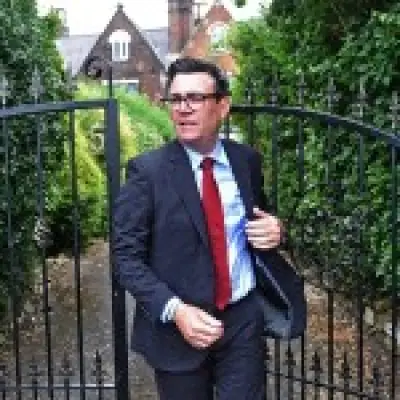
Badenoch Alleges Starmer Misled MPs Over Mandelson's Security Vetting
Kemi Badenoch has asserted that revelations about Peter Mandelson failing his security vetting clearance demonstrate that Keir Starmer misled Parliament, implying the Prime Minister should consider resignation. This follows an exclusive report by the Guardian detailing how Mandelson's appointment as ambassador to the US proceeded despite a negative vetting decision.
Details of the Vetting Controversy
According to the Guardian's investigation, UK Security Vetting (UKSV), a Cabinet Office division, did not grant clearance to Mandelson due to undisclosed background concerns. However, the Foreign Office overruled this decision to ensure he could assume the ambassadorial role in Washington. Badenoch highlighted that in September, Starmer told Parliament on three occasions that "full due process" was followed in Mandelson's appointment.
Badenoch stated: "We now know the Prime Minister misled the House. The Prime Minister must take responsibility." While not explicitly calling for resignation, the Tory leader's remarks strongly suggest that Starmer should step down, referencing the ministerial code which mandates resignation for ministers who knowingly mislead Parliament.

Historical Context and Political Implications
This incident echoes past political scandals, as Starmer himself questioned Boris Johnson in January 2022 about the applicability of the ministerial code. When Johnson affirmed it applied to him, Starmer remarked: "I think the prime minister said yes, he agrees that the code does apply to him. Therefore, if he misled parliament, he must resign." Badenoch's comments leverage this precedent to pressure Starmer over the Mandelson case.
The revelation raises significant questions about Starmer's judgment in appointing Mandelson and whether he was aware of the vetting failure. It remains unclear if Starmer knew about UKSV's recommendation or who in the Foreign Office authorized the overrule. This development is likely to fuel further scrutiny and debates in Parliament, impacting public trust and political accountability.