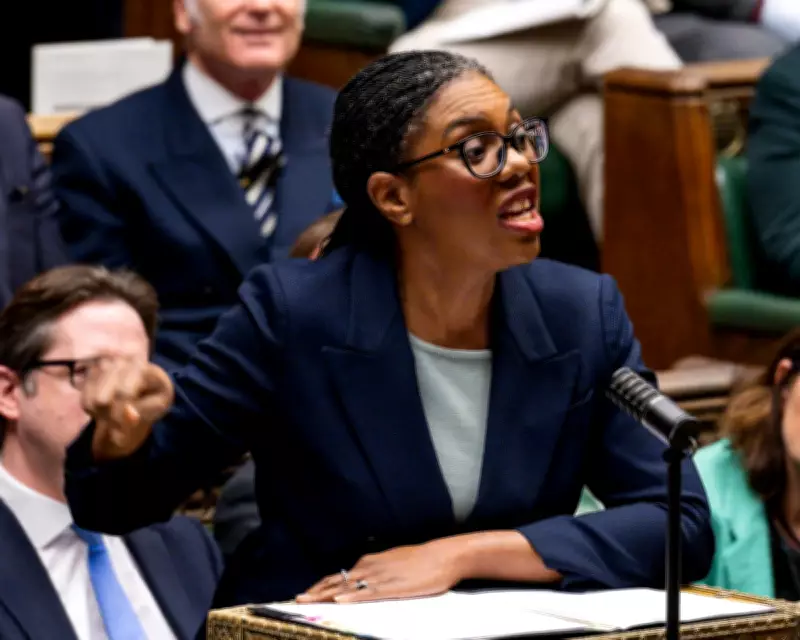
Badenoch Endures Second Week of Scrutiny Over Iran War Remarks
Conservative Party leader Kemi Badenoch has come under fire for the second week in a row during Prime Minister's Questions, with opposition MPs targeting her statements on the ongoing US-Israeli military campaign against Iran. The political attacks center on what critics describe as shifting positions from the Tory leader regarding British involvement in the conflict.
Evolving Stance on Military Engagement
When the initial strikes against Iran commenced late last month, Badenoch expressed firm support for the actions of American and Israeli forces. She stated clearly that she stood "with our allies in the US and Israel as they take on the threat of the Islamic Republic of Iran and its vile regime." At that time, she argued that Labour leader Keir Starmer should have permitted the United States to utilize UK airbases for what many legal experts believed constituted a pre-emptive attack potentially violating international law.
However, as public opinion polling revealed consistent British opposition to the military campaign and the US operation appeared to lack clear objectives or an endpoint, Badenoch's position underwent noticeable modification. She subsequently asserted that she never advocated for direct UK participation in the strikes, telling interviewers: "I said that we support their actions. I never said we should join."

Policy Evolution or Political Reversal?
This apparent shift prompted confusion among political commentators and fellow parliamentarians. When pressed for clarification, Badenoch's spokesperson offered an enigmatic explanation: "We are at war. The difference is, we're not joining the war. We're in the war." According to allies of the Conservative leader, her position has remained consistent—she never desired actual British military involvement in the offensive operations.
Instead, they argue that once Iran began retaliatory measures, Badenoch's primary distinction from Starmer's approach was her call for UK forces to actively locate and target missile sites threatening British interests in the Middle East, rather than merely intercepting incoming projectiles. As one supporter framed it: "That's not a U-turn, that's policy evolving as the conflict evolves."
Distancing from Trump's Rhetoric
In a significant development, Badenoch publicly criticized Donald Trump's repeated personal attacks against Keir Starmer, describing the US president's comments as "childish." This rebuke came during a BBC interview segment and represents a notable departure from her previous praise of Trump as a leadership model.
Tory insiders suggest Badenoch determined that the ongoing barrage of insults had become "unseemly" and "getting ridiculous," necessitating a public statement. While her allies maintain this adjustment reflects changing circumstances rather than political calculation, the distancing maneuver offers clear advantages given Trump's persistently low approval ratings among British voters—currently standing at just 13% according to recent surveys.
Broader Diplomatic Implications
The Trump administration's approach to foreign policy, particularly regarding Iran and NATO commitments, has created diplomatic challenges for the UK government. Work and Pensions Secretary Pat McFadden articulated what many European capitals privately acknowledge when he described the current American presidency as "very transactional" during a recent media appearance.
McFadden's candid assessment of Trump's threats to undermine NATO unless allies contributed naval assets to secure the Strait of Hormuz reflects growing international frustration with what many perceive as capricious leadership from Washington. As one observer noted, navigating this diplomatic landscape requires careful calibration from British politicians across the political spectrum.
The situation has created an environment where even previously supportive figures like Badenoch feel compelled to establish distance from controversial positions, whether regarding military engagement in the Middle East or association with unpopular foreign leadership. In Westminster's highly charged atmosphere, maintaining political viability increasingly means avoiding isolation on contentious international issues.