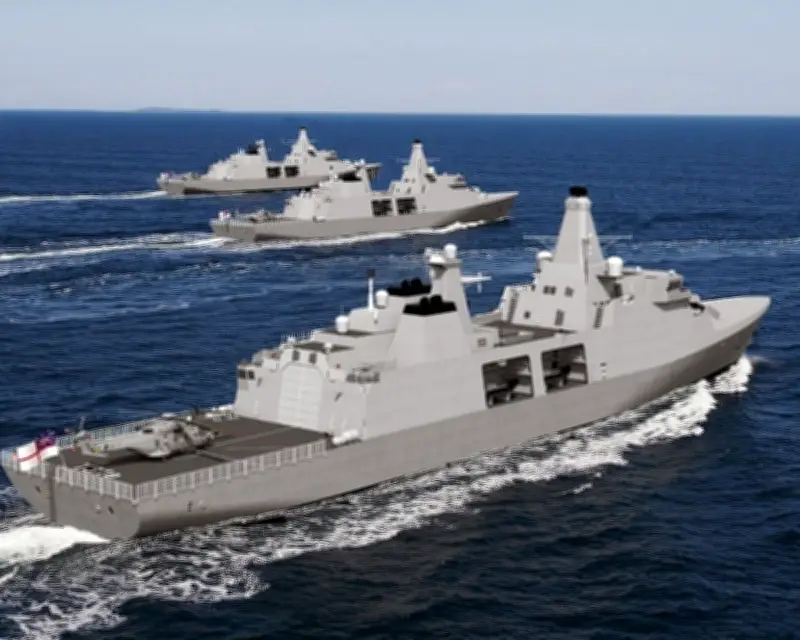
Babcock International has reported a sharp decline in profits, blaming Brexit and the Covid-19 pandemic for delays and cost overruns on a major Royal Navy contract. The defence contractor's pre-tax profit fell 62% to £89 million in the year to March 31, 2026, down from £234 million the previous year.
Brexit and Covid impact on Type 31 frigate programme
The company pointed to the Type 31 frigate programme, a £1.25 billion contract to build five warships for the Royal Navy, as a primary cause of the profit drop. Babcock said the project was beset by supply chain disruptions linked to Brexit and workforce shortages exacerbated by the pandemic. Chief executive David Lockwood stated: "The Type 31 programme has been impacted by a perfect storm of Brexit-related customs delays and Covid-induced labour absences, leading to schedule slippage and increased costs."
Financial results and outlook
Revenue for the period fell 8% to £4.4 billion, while underlying operating profit dropped 31% to £310 million. The company also took a £120 million charge on the Type 31 contract. Babcock's shares fell 5% on the London Stock Exchange following the announcement. Lockwood added: "We are working closely with the Ministry of Defence to mitigate these challenges and remain committed to delivering the Type 31 frigates, albeit on a revised timeline."

The company expects a recovery in the current financial year, with revenue forecast to grow by mid-single digits and operating profit margins improving. However, Babcock warned that geopolitical tensions and inflation continue to pose risks. The Type 31 programme is a cornerstone of the Royal Navy's modernisation, and delays could affect national security capabilities.