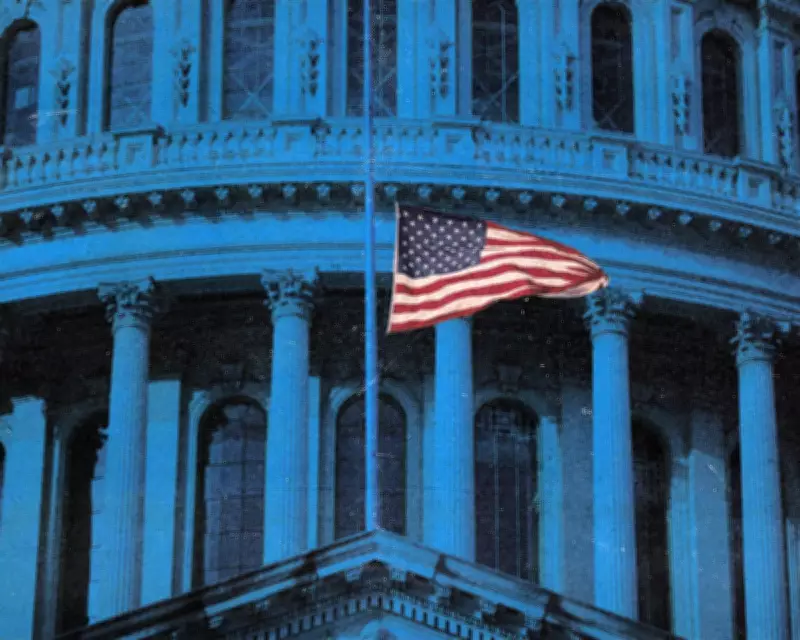
2026 US Midterm Elections: A Pivotal Battle for Congressional Control
On the first Tuesday of November 2026, American voters will head to the polls in a crucial midterm election that could dramatically reshape the political landscape. This election marks the first national vote since the 2024 presidential race that returned Donald Trump to the White House, serving as a referendum on his administration's handling of critical issues like the economy and immigration. All 435 seats in the House of Representatives and 33 Senate seats are up for grabs, with Democrats hoping to capitalize on what some analysts are calling a potential "blue wave" to retake control of Congress.
The Stakes: Power to Block Trump's Agenda
Should Democrats succeed in capturing the House of Representatives, they would gain significant power to investigate the Trump administration through subpoenas and effectively block the president's legislative agenda. If they manage to wrest control of the Senate from Republicans as well, Democrats could prevent Trump from appointing nominees to cabinet positions and the federal judiciary, including potential Supreme Court vacancies. The House appears to be the more attainable target for Democrats, with Republicans currently holding their majority by just three seats. Democrats need to flip at least four seats to regain control, with three of those needing to come from states that voted for Trump in 2024.
Kyle Kondik, managing editor of election forecaster Sabato's Crystal Ball, notes that "the least surprising outcome in November would be the same outcome we had in 2018, which is that Democrats win the House, the Republicans hold the Senate." That year, during Trump's first term, Democrats won 41 House seats and retook the majority for the first time in eight years. Kondik and other experts are already seeing signs of a "blue wave" building that could indicate strong Democratic performance in November.

Four Critical Trends to Watch
Will Trump's 2024 Coalition Return?
Trump's 2024 victory over Kamala Harris sent alarm bells through Democratic circles because of the diverse coalition that backed him. Analysis by the Pew Research Center found that Trump not only built up his margins in rural areas but also made significant inroads with groups that typically form the Democratic base, including Hispanic and Black voters, and young people. However, there's evidence this coalition may not re-emerge for the midterms.
Kondik observes that "the falloff is going to be disproportionately more Trump people as opposed to Harris people" in midterm elections, which traditionally see smaller electorates than presidential contests. Additionally, Trump's approval ratings remain concerning for Republicans, with many surveys showing him as unpopular as he was at this point in 2018. Erin Covey, US House editor for the Cook Political Report, notes that Trump's marks on handling the economy are even lower than they were eight years ago, which "bodes particularly ill for Republicans" given the economy's importance to voters.
Can Democrats Regain Their Momentum?
While the 2024 election marked a low point for Democrats, the party has shown signs of recovery in subsequent off-year elections. Democratic candidates swept gubernatorial and state legislative elections in Virginia and New Jersey, and managed to win seats in state legislative districts in Iowa and Louisiana that had backed Trump. Kondik believes "the environment is going to be pretty similar to 2018, and I think we would categorize that as a wave year."
However, the wave may have limits. The Cook Political Report currently rates only 18 districts as toss-ups, compared to 30 in 2018, with a combined 18 others leaning toward either party. Dan Sena, a political strategist who led House Democrats' campaign arm during their 2018 victories, characterizes this diminished battlefield as "a predictor of small House majorities for years to come." Senate control presents an even greater challenge for Democrats, who would need to win seats in traditionally red states like Ohio and Alaska.

How Will Redistricting Impact the Election?
A nationwide gerrymandering battle is underway, with both parties redrawing congressional maps to their advantage. Texas's Republican-controlled legislature redrew its maps with Trump's backing, while Democratic-led California had voters approve new maps that benefit Democrats. The outcomes remain uncertain, with redistricting efforts still pending in Virginia and Florida, plus a Supreme Court case that could net Republicans additional seats in southern states.
Covey describes the bipartisan gerrymandering spree as "a wash" that represents "a lot of work for, really, not much of a seat gain for either side." Sena suggests Republicans may ultimately prevail in the redistricting battle by simply stemming losses they would otherwise suffer in a wave election.
Will Trump Interfere in the Election Process?
Trump has openly expressed his desire to influence how midterm elections are run, suggesting Republicans should "nationalize the voting" in at least 15 places and targeting voting procedures in heavily Democratic cities like Detroit and Atlanta. While the constitution grants the president no power over how elections are run—reserving that authority for states—Trump's administration has already taken steps that could undermine election integrity.
Tulsi Gabbard, the director of national intelligence, is leading an investigation into voting machines, while the FBI conducted an unprecedented search of the Fulton County, Georgia, election office in late January 2026. The administration is also stirring fears about illegal voting by noncitizens, despite such occurrences being extremely rare. Conservative lawyer Cleta Mitchell has suggested Trump could declare a national emergency to seize power over elections, though legal experts maintain the president's emergency powers give him no such authority.
As November approaches, these four trends will shape what promises to be one of the most consequential midterm elections in recent memory, with the balance of power in Washington hanging in the balance.