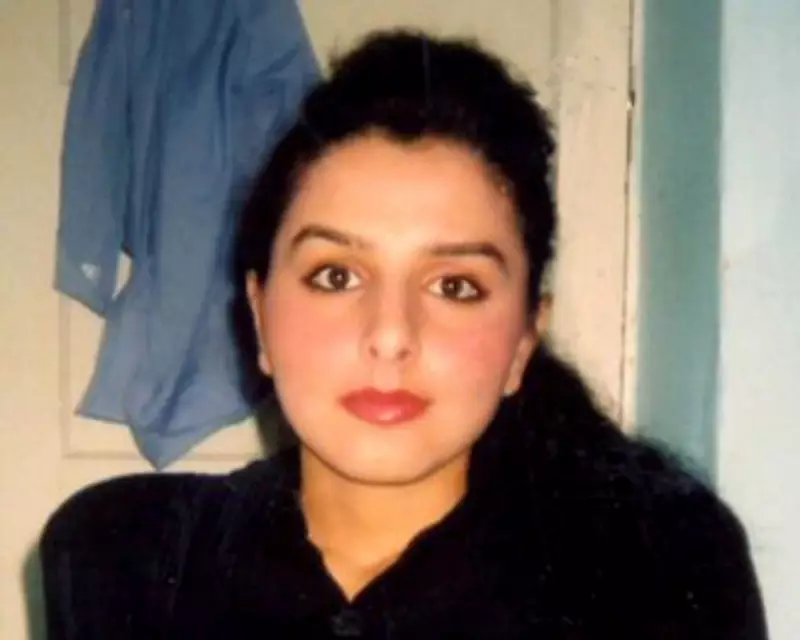
Two decades have passed since the brutal honour-based murder of 20-year-old Banaz Mahmod, yet her sister Bekhal remains in hiding, living under a new identity and looking over her shoulder. The fight for justice, however, has evolved into a campaign for legislative change, known as 'Banaz's law', which campaigners hope will finally be adopted by the UK government.
A Legacy of Fear and a Campaign for Change
Banaz Mahmod was killed by her family in 2006 for pursuing a relationship they disapproved of, after leaving an arranged marriage. Despite reporting violence and threats to the police, she was dismissed by a female officer as manipulative. In 2007, her sister Bekhal testified against their father and uncle, who were convicted of the murder. Bekhal has lived in fear ever since, forced to sever all ties with her Iraqi-Kurdish family.
"I'm always looking over my shoulder. I'm never going to let my guard down," Bekhal stated. The trauma is ever-present, triggered by the smallest reminder. "It can take the smallest things, like somebody saying the word Iraq … my head turns instantly, it's a fear."

What is Banaz's Law and Why is it Needed?
The proposed 'Banaz's law' aims to create a statutory, survivor-informed definition of honour-based abuse. This is designed to ensure professionals can better identify warning signs, empower victims to come forward, and secure justice against perpetrators. Key proposals include preventing defendants from using 'honour' as a defence and explicitly recognising such abuse as an aggravating factor in sentencing.
The campaign, supported by the women's rights organisation Southall Black Sisters (SBS), also calls for the extension of protections for migrant victims of domestic abuse. This would help prevent women from facing an impossible choice between staying in an abusive relationship or risking destitution and deportation due to their immigration status.
Political Momentum and Persistent Barriers
Last month, peers tabled amendments to the crime and policing bill, urging ministers to adopt the proposals. Justice minister Alison Levitt responded in the House of Lords, stating the government was committed to introducing statutory guidance and a definition, but needed to ensure it was done correctly. She welcomed further discussion but did not commit to a timeline.
However, campaigners fear the current political climate could deter victims. Bekhal worries that today's fraught migration debate could prevent women from seeking help, echoing her own past fears of being seen as "just an immigrant" draining resources. Sanskriti Sanghi of SBS warned that framing migration, rather than misogyny, as the primary threat to women's safety is damaging and marginalises vulnerable communities.
As the 20th anniversary of Banaz's murder passes, her story remains a stark symbol of institutional failure. The campaign for a law in her name continues, driven by a sister's enduring grief and a determination to prevent future tragedies. The question now is whether the government will translate its promises into decisive action.