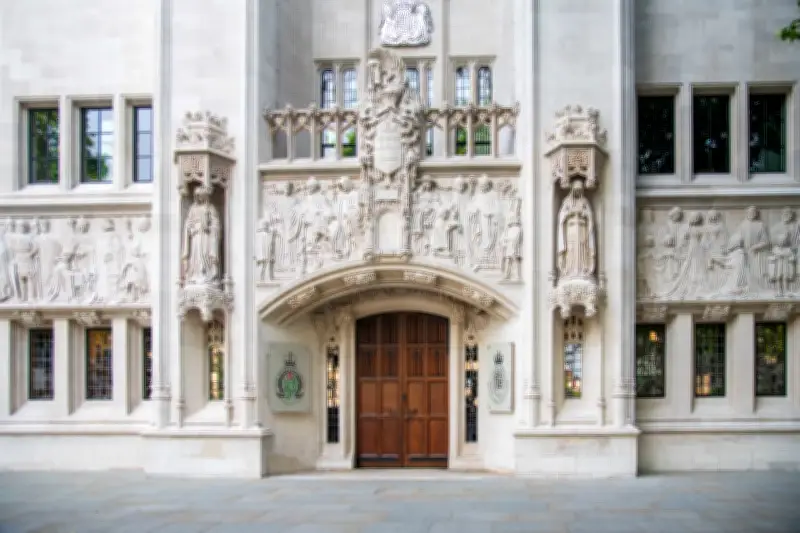
Alex Gerko, the founder and boss of algorithmic trading firm XTX Markets, has lost a landmark tax battle at the UK Supreme Court. The court ruled that he must pay tax on £1.6bn in profits generated through his trading activities, rejecting his argument that the gains were capital rather than income.
Supreme Court Ruling
The Supreme Court unanimously dismissed Gerko's appeal, upholding earlier decisions by the Upper Tribunal and Court of Appeal. The judges concluded that the profits from Gerko's high-frequency trading strategies were taxable as income, not capital gains. The ruling has significant implications for the taxation of algorithmic trading profits in the UK.
Background of the Case
Gerko, a Russian-born mathematician who moved to the UK in 2003, founded XTX Markets in 2015. The firm is one of the world's largest currency and equities traders, known for its use of machine learning and AI. The dispute centered on whether profits from Gerko's personal trading accounts were subject to income tax or capital gains tax, the latter being taxed at a lower rate.

- Income Tax vs. Capital Gains Tax: Gerko argued that his trading was akin to investment, but HMRC contended it was a trade.
- Court Findings: The Supreme Court noted the systematic, frequent, and profit-driven nature of Gerko's trades.
- Industry Impact: The decision clarifies the tax treatment of algorithmic traders, potentially affecting other high-frequency trading firms.
Reactions and Implications
The ruling is a victory for HM Revenue & Customs (HMRC), which has been scrutinizing the tax affairs of wealthy individuals and tech entrepreneurs. Gerko, who is estimated to be worth over £1bn, expressed disappointment but said he would comply with the decision. Tax experts say the case sets a precedent for similar disputes, making it harder for traders to classify profits as capital gains.
XTX Markets, based in London, has grown rapidly and now handles billions of dollars in trades daily. The firm has not commented on whether the tax bill will affect its operations. The Supreme Court's decision is final, and Gerko must now pay the disputed tax plus interest and potential penalties.