Welsh Water's Mixed Record Under Not-for-Profit Ownership
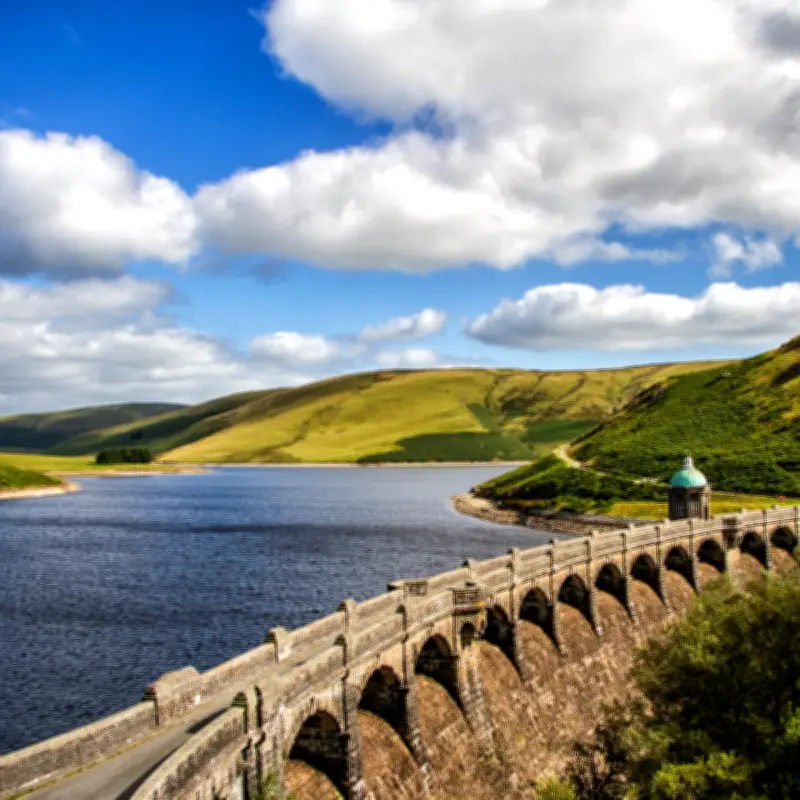
Welsh Water, serving 3 million people, converted to not-for-profit status in 2001, returning to public ownership after the Thatcher-era privatisations. The company has no shareholders and reinvests surpluses into keeping bills down and environmental improvements. However, after nearly 25 years without dividend-hungry shareholders, its performance on bills and spills remains middle-of-the-pack. Welsh Water recently received a £44.7m enforcement package from Ofwat for serious breaches in sewage plant operations, resulting in excessive spills. As a percentage of turnover, this penalty was 7.5%, at the high end among water companies. Its annual bills are £683, above the industry average, and higher than Hafren Dyfrdwy's £48 less.
Ownership Alone Not a Cure-All
Welsh Water's experience demonstrates that changing ownership does not automatically solve the sector's problems. Factors such as access to capital, operational efficiency, technical skill, management accountability, and regulatory rigour remain crucial. Andy Burnham, the Greater Manchester mayor, has called for stronger public control over water and energy, but his specifics are vague. He has only committed to nationalising Thames Water, though it is unclear whether he means full permanent nationalisation or special administration with a potential return to the private sector.
Complexities and Costs of Nationalisation
Burnham acknowledges that nationalising the whole industry is complicated and expensive. Nationalising Thames could be cheap due to its financial troubles, but solvent companies like United Utilities and Severn Trent are valued at almost £10bn each, plus borrowings. Adding energy transmission networks would skyrocket costs, with National Grid worth £62bn and SSE at £29bn. Changing ownership of water and energy companies could take 18 months and risk delays in critical infrastructure upgrades, such as the £70bn grid upgrade needed for the 2030 clean power deadline.

Regulation Over Ownership
Sir Jon Cunliffe's Independent Water Commission report, which underpins the government's clean water bill, found that no one ownership model is universally better. It emphasised that strong, evidence-based regulation is critical, regardless of ownership. The government plans to shift the sector away from self-regulation by creating a powerful new regulator. Burnham's 10-year plan for more public control may align with this, focusing on local direction and devolution. The commission praised Greater Manchester's role in regional water planning and recommended formal strategic boards with local political leaders.
According to the report, elected mayors should have opportunities to influence and be informed by water system plans. This approach could satisfy Burnham's devolution agenda without full nationalisation. However, advocates of pure nationalisation may be disappointed. Burnham could present this as a first step, with the threat of harder measures in the next parliament. In a fiscally constrained environment, this is a pragmatic route.
Thames Water as a Separate Case
Thames Water could still be treated separately, with all options on the table. The water commission acknowledged that a Welsh Water-style not-for-profit model might be an exit route for companies in special administration. For the sector as a whole, Burnham's stronger public control likely means a stronger role for local authorities in planning and directing the system. As Welsh Water shows, this involves tradeoffs.