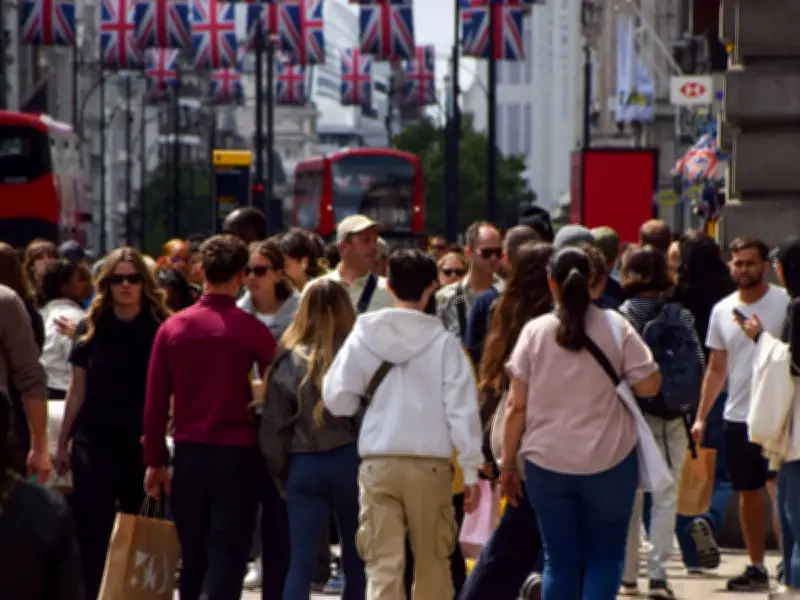
Prime Minister Andy Burnham has described the council tax system as 'unfair' and called for 'big decisions' to address discrepancies where wealthy central London areas pay less than poorer regions. Speaking on BBC's Panorama, Burnham noted that residents in Greater Manchester often pay higher council tax than those in larger London homes.
Current system criticized as outdated
Burnham praised former Chancellor Rachel Reeves for introducing a 'mansion tax' on properties worth £2 million or more, which primarily affects London and the South East. He stated: 'She was right to start to reform council tax to create some fairness there in relation to people in homes that are of much greater value, who haven't seen their council tax go up over the years because of the failure to revalue the banding.'
However, Number 10 has denied plans to replace council tax and stamp duty with a flat annual charge based on current property values, as proposed by the Fairer Share Campaign. Such a change would save households in Hartlepool around £950 annually but increase costs for some London homeowners.

Why central London boroughs pay less
Residents in Westminster, where average property values exceed £1 million, pay £1,749.25 in council tax for Band G properties. In contrast, Barking and Dagenham, a less affluent borough, charges £3,664.16 for the same band. This disparity stems from alternative revenue sources in wealthy central London areas.
Westminster generates substantial income from business rates due to high foot traffic and dense commercial activity. According to Mayor Sadiq Khan in a January 2025 response, Westminster collects more in business rates annually 'than the ten largest city councils outside London combined.' Additionally, parking charges contributed £72 million to Westminster between 2022 and 2023, compared to just £2.47 million in Enfield, as reported by The Telegraph.
Demographics and service demands
Demographics also play a role. Outer London boroughs and areas beyond the capital have older populations and more families, increasing demand for adult social care and schools. Inner London boroughs like Westminster have a transient, working-age population, placing less strain on council services.
The 1991 banding problem
Council tax bands in England are based on property values as of April 1, 1991. Since then, central London property prices have soared, leaving many high-value homes in lower bands. This keeps bills artificially low for owners in areas like Westminster.
Proportional Property Tax proposal
The Fairer Share Campaign advocates replacing council tax and stamp duty with a 0.48% flat rate on property values, paid by homeowners and landlords, with renters exempt. They claim 8.7 million renters would pay nothing, and 77% of homeowner households would pay less. Tax increases would be capped at £1,200 per household.
Under this system, London would be the only region facing higher costs. Homeowners with properties worth £600,000 would pay an extra £800 annually. With the average London home valued at £670,000, many regular Londoners could see tax increases.